Can Dogs Eat Peanut Butter? Safe Amounts and the Xylitol Warning
Last updated: November 25, 2026
Veterinary reviewed by Dr Zahid Iqbal, DVM, MRCVS and Dr Fatih Bozbay, Veterinarian.
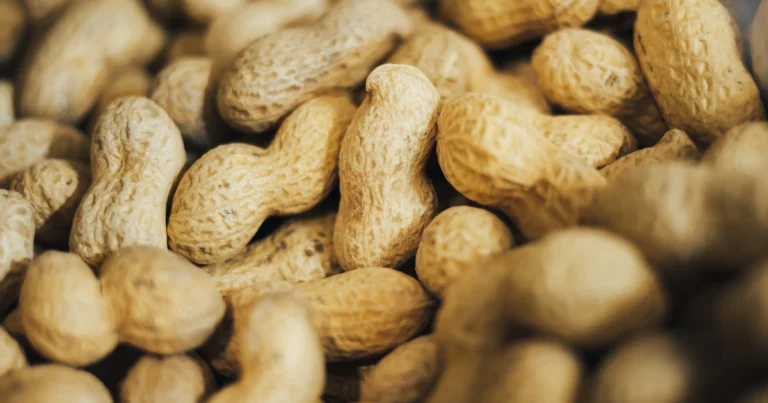
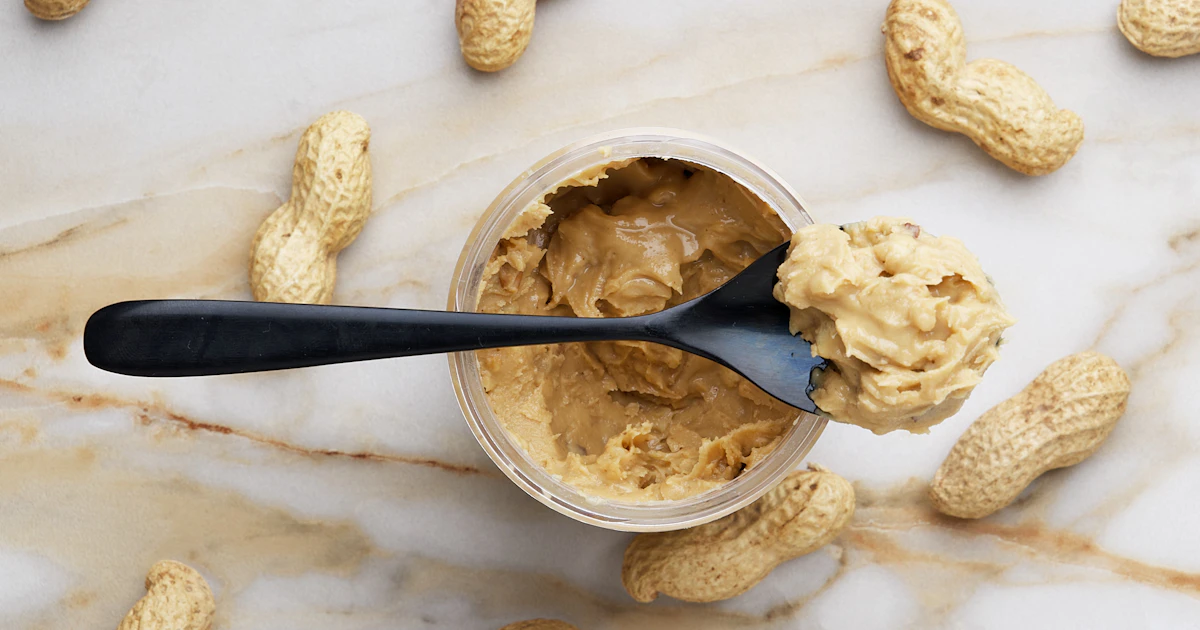
Photo by Corleto Peanut butter on Unsplash
Peanut butter is a favorite with dogs and owners alike, so a spoonful often ends up in a toy or on a lick mat. Most dogs can have plain peanut butter in small amounts, but only if the jar is xylitol-free, and that one ingredient changes everything.
This guide shows how to read the label, which peanut butter is safe, how much to give and what else is worth watching, such as fat and calories.
If your dog may have eaten xylitol: call your vet, the Pet Poison Helpline at 855-764-7661, or the ASPCA Animal Poison Control Center at 888-426-4435 right away. Do not wait for symptoms, and do not make your dog vomit at home unless a vet tells you to. Keep the jar and take it with you.
On this page:
Quick answer: Yes, most dogs can eat plain peanut butter in small amounts, but only if it is xylitol-free. Xylitol (also sold as birch sugar) is highly toxic to dogs, so read the ingredient list every time. A small serving is about ½ teaspoon for dogs up to 20 lb, 1 teaspoon for dogs 21 to 90 lb, and up to 1 tablespoon for dogs over 90 lb.
- The one ingredient that makes peanut butter dangerous
- Which peanut butter is safe? A label guide
- How much peanut butter can a dog have?
- Fat, calories and other risks
- What to do if your dog ate xylitol
- FAQ
The one ingredient that makes peanut butter dangerous
Plain peanut butter is not the problem. The problem is that some brands, mostly “sugar-free”, “no sugar added” or “protein” products, replace sugar with xylitol. In dogs, xylitol is absorbed quickly and triggers a large release of insulin, which can drop blood sugar to dangerous levels. Larger amounts can also damage the liver (Cornell Riney Canine Health Center).
Veterinary references give rough dose figures: low blood sugar becomes a risk at about 100 mg of xylitol per kg of body weight, and liver injury at about 500 mg per kg. These are not safe limits. Xylitol content varies between products, even between flavors of one brand, so any confirmed exposure needs prompt advice from a vet or poison service. For the full list of products and a dose table, see our guide: is xylitol toxic to dogs.
Signs often start 30 to 60 minutes after eating it, and can include weakness, stumbling, vomiting, tremors and seizures. Some signs can take several hours to appear, so a dog that looks fine is not necessarily safe.
Which peanut butter is safe? A label guide
Turn the jar around and read the ingredient list, not the front label. Look for xylitol and also for other names it hides under, such as birch sugar or birch bark extract. Poison-control and veterinary-school sources have named a handful of brands that contained xylitol, but formulas change, so a brand list is never a substitute for reading the label.
The last column assumes peanut butter is the only treat that day. If your dog also gets training treats, chews or table scraps, the peanut butter has to shrink. The treat budget uses a standard estimate for a typical adult, neutered dog, so dogs that are very active, overweight, senior or on a prescribed diet may need a different number from your vet.
Tips for feeding it:
| Type of peanut butter | For dogs? | What to check |
|---|---|---|
| Plain or natural (peanuts, maybe salt) | Best choice | Short ingredient list, no xylitol. Choose unsalted if you can. |
| Regular smooth or crunchy | Fine in small amounts | Contains added sugar, oil and salt. Keep portions tiny. No xylitol allowed. |
| “Sugar-free”, “no sugar added”, “reduced sugar” | Check very carefully | This is where xylitol is most often found. If xylitol or birch sugar is listed, do not feed it. |
| “Protein” or “fitness” peanut butters | Check very carefully | Several products in this group have contained xylitol. Read the label. |
| Peanut butter with chocolate, raisins or other add-ins | No | Chocolate and raisins are toxic to dogs. See our guides on chocolate and grapes and raisins. |
| Peanut butter cookies, candy and baked goods | Not a good idea | Usually high in sugar and fat, and some sugar-free versions use xylitol. |
How much peanut butter can a dog have?
There is no official safe amount, so treat peanut butter as a treat and keep it small. The serving sizes below follow the chart published by PetMD (reviewed by a veterinarian). The calorie ceiling is our own calculation: treats should stay at or under 10% of your dog’s daily calories, and peanut butter is very calorie-dense at roughly 6 calories per gram (about 95 calories per tablespoon).
| Dog weight | Typical serving (PetMD chart) | Treat budget per day (kcal, all treats) | Most peanut butter per day (all treats counted) |
|---|---|---|---|
| 5 lb | ½ teaspoon | about 21 | 3 g (about ½ teaspoon) |
| 10 lb | ½ teaspoon | about 35 | 5 g (about 1 teaspoon) |
| 20 lb | ½ teaspoon | about 59 | 9 g (about 1½ teaspoons) |
| 35 lb | 1 teaspoon | about 89 | 14 g (about 2½ teaspoons) |
| 50 lb | 1 teaspoon | about 116 | 19 g (about 3½ teaspoons) |
| 75 lb | 1 teaspoon | about 158 | 26 g (about 5 teaspoons) |
| 100 lb | 1 tablespoon | about 196 | 32 g (about 2 tablespoons) |
- Offer it on a spoon or a lick mat, and count it as part of the day’s treats.
- Spread it thin. A teaspoon on a lick mat can keep a dog busy for 10 to 15 minutes.
- Use a measuring spoon the first few times so the amount does not creep up.
- If you use it to hide a pill, check with your vet first that the medicine can be given with food.
Fat, calories and other risks
- Weight gain. Two tablespoons have about 190 calories and 16 g of fat (USDA), which is a large share of a small dog’s day.
- Pancreatitis. A high-fat food can upset the pancreas. Dogs with a history of pancreatitis, or on a low-fat diet, should avoid peanut butter unless their vet approves it.
- Salt. Regular salted peanut butter has roughly 430 mg of sodium per 100 g. That is not an issue in a teaspoon, but it adds up if portions grow.
- Allergy. Rare, but possible. Start with a tiny amount and watch for itching, hives, vomiting, diarrhea, or swelling of the face. Stop and call your vet if any of these appear.
- Puppies. Small amounts are generally fine. Introduce it slowly and keep portions well below the adult figures above.
What to do if your dog ate xylitol
- Call right away. Phone your vet, the Pet Poison Helpline (855-764-7661) or the ASPCA Animal Poison Control Center (888-426-4435). A consultation fee may apply, and it is worth it.
- Keep the packaging. Photograph the ingredient list and nutrition panel, and note how much may have been eaten and when.
- Know your dog’s weight. The vet will use it with the product details to judge the risk.
- Do not treat at home. Do not induce vomiting or give home remedies unless a vet tells you to. Vomiting is usually only considered when the exposure was very recent and the dog shows no signs yet.
- Go in urgently if your dog is weak, wobbly, collapsing, having seizures or vomiting repeatedly.
Treatment usually means checking blood sugar, giving IV fluids and dextrose, and monitoring the liver. Dogs are often kept in the hospital for 12 to 24 hours or more, and liver values are commonly rechecked a few days later. Most dogs treated early for low blood sugar recover well, while dogs with liver injury have a more guarded outlook.
FAQ
Can dogs eat peanut butter every day?
A small amount can fit into a daily treat budget for a healthy dog, but it is not necessary. Rotating treats and keeping the portion within the table above is a safer habit than a daily scoop.
Is crunchy or smooth peanut butter better?
Either is fine for most dogs if it is xylitol-free. Smooth is easier to spread on a lick mat. Very small dogs may do better with smooth.
Can dogs eat peanut butter and jelly?
It is better to skip it. Jelly adds sugar and may contain other ingredients you do not want, with no benefit for your dog.
Can dogs eat peanuts?
Plain, unsalted peanuts in small amounts are usually fine for dogs, though they are high in fat. Skip salted, flavored or coated peanuts, and do not give shells.
Can I put peanut butter in a Kong or lick mat?
Yes, this is a common and popular use. Use a thin layer of xylitol-free peanut butter and count it toward the day’s treats.
My dog ate peanut butter and I’m not sure if it had xylitol. What now?
Check the ingredient list for xylitol or birch sugar. If it is listed, or you cannot check, call your vet or a poison hotline right away. If the label is clearly xylitol-free, a stomach upset is the most you would normally expect, but call your vet if you are worried.
Can puppies eat peanut butter?
Yes, a weaned, healthy puppy can have a small lick of plain, xylitol-free peanut butter, for example inside a toy. Check the label every time, keep the amount tiny because it is high in fat and calories, and introduce it slowly.
Can diabetic dogs eat peanut butter?
Ask your vet first. Peanut butter is high in fat and calories, some brands add sugar, and diabetic dogs do best on a consistent diet.
Bottom line
Plain, xylitol-free peanut butter is a low-risk treat for most dogs when it is kept to a small spoonful. Always read the ingredient list, measure the portion, and call for help immediately if xylitol is a possibility. Related guides: can dogs eat chocolate, can dogs eat grapes and can dogs eat cheese.
PawFoodCheck is not a veterinary service. This article is for general information and does not replace advice from your own veterinarian, who knows your dog’s health history. For a possible poisoning, call a vet or poison hotline immediately.
Related guides
- Can dogs eat cinnamon?
- Can dogs eat honey?
- Can dogs eat eggs?
- Can dogs eat olives?
- Can dogs eat cookies?
- Can dogs eat Nutella?
References
- PetMD, Can Dogs Eat Peanut Butter? (reviewed by Teresa Manucy, DVM)
- WebVet, Can Dogs Eat Peanut Butter? (medically reviewed by Athena Gaffud, DVM)
- Cornell University College of Veterinary Medicine, Riney Canine Health Center, Xylitol Toxicity in Dogs
- American Kennel Club, Xylitol and dogs
- NC State College of Veterinary Medicine, Xylitol toxicity in dogs
- USDA FoodData Central, peanut butter, smooth style, with salt