Can Dogs Eat Mango? Safe Amounts, Pit & Skin Risks (2026)
Last updated: November 25, 2026
Veterinary reviewed by Dr Zahid Iqbal, DVM, MRCVS and Dr Fatih Bozbay, Veterinarian.
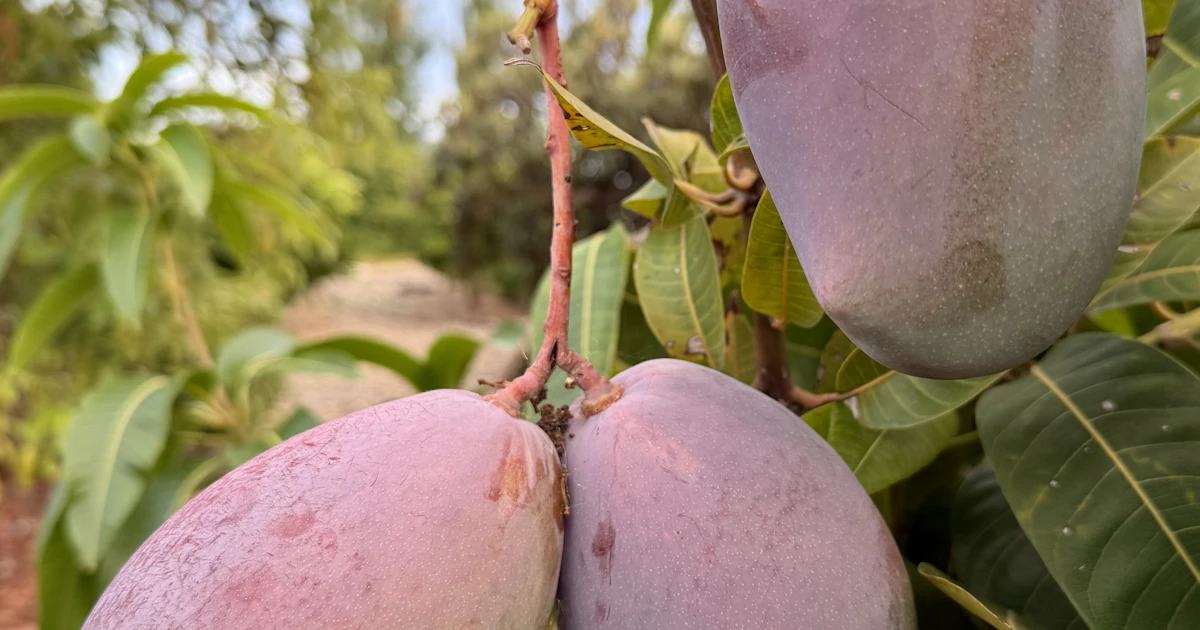
Photo by John Cameron on Unsplash
Mango is a sweet, juicy fruit that dogs tend to like, and a cut mango on the counter is easy to share. Dogs can eat ripe mango flesh in small amounts as an occasional treat, but the fruit has to be peeled and the pit removed first.
Below we cover how much mango a dog can have and what to do about the pit, skin and dried mango.
Quick answer: Yes, dogs can eat ripe mango flesh in small amounts as an occasional treat. Always peel it and remove the pit first. The pit is a choking and blockage hazard, the skin is tough and hard to digest, and mango is high in natural sugar, so portions must stay small.
On this page
- Is mango safe for dogs?
- How much mango can a dog have?
- Pit, skin, dried and juice
- How to serve mango
- Dogs that should skip mango
- FAQ
Is mango safe for dogs?
Mango flesh is not toxic to dogs. The American Kennel Club and PetMD both say dogs can eat it as long as it is peeled and pitted. Mango contains vitamins A, C and B6, potassium and fiber. Healthy dogs on a complete diet do not need these extras, so mango is a treat, not a supplement.
The catch is sugar. Mango is roughly 60 kcal and 14 g of sugar per 100 g, and most of its calories come from sugar. Too much, too often can cause diarrhea, weight gain and dental problems over time.
How much mango can a dog have?
Treats should stay within about 10% of your dog’s daily calories. The table shows the calorie ceiling for fresh mango and a cautious portion of diced fruit. A tablespoon of diced mango weighs about 10 g. The practical amounts are my own conservative estimates, not a vet standard.
Offer mango only once or twice a week. Start with a very small piece the first time and watch for loose stool over the next day. The practical amounts are far below the calorie ceiling on purpose, because sugar and stomach upset limit mango well before calories do.
| Dog weight | Calorie ceiling (fresh mango) | Practical amount |
|---|---|---|
| 5 lb | about 34 g | about 5 g (½ tablespoon diced) |
| 10 lb | about 58 g | about 10 g (1 tablespoon) |
| 20 lb | about 97 g | about 20 g (2 tablespoons) |
| 35 lb | about 148 g | about 30 g (3 tablespoons) |
| 50 lb | about 194 g | about 40 g (4 tablespoons) |
| 75 lb | about 263 g | about 55 g (5 to 6 tablespoons) |
| 100 lb | about 326 g | about 70 g (7 tablespoons) |
Pit, skin, dried and juice
If your dog swallows a mango pit, call your vet. A small pit may pass, but a large one can block the gut. Repeated vomiting, a painful belly, no appetite or straining to poop are urgent signs. Read about xylitol if a sweet product has a sugar-free label.
| Form | Safe? | Notes |
|---|---|---|
| Ripe flesh, diced | Yes, small amounts | The only part to feed |
| Pit (seed) | No | Choking and intestinal blockage; trace cyanide compounds |
| Skin (peel) | No | Tough to digest; also contains urushiol, which can irritate some mouths |
| Frozen mango pieces | Yes, small, slightly thawed | Hard frozen chunks can hurt teeth or choke small dogs |
| Dried mango | No | Concentrated sugar; store-bought often has added sugar or preservatives |
| Mango juice or mango shake | No | High in sugar and often has added dairy and sugar |
| Mango with sugar, aamras or kulfi | No | Added sugar and milk; some sweet products contain xylitol |
| Unripe mango | Better to avoid | Harder to digest and sour |
How to serve mango
- Wash the mango, then peel it completely.
- Cut the flesh away from the large flat pit and throw the pit away where your dog cannot reach it.
- Dice the flesh into small, bite-sized pieces.
- Serve a small amount from the table above, fresh or lightly thawed from frozen.
Other fruits with their own portion guides: blueberries, strawberries, watermelon, bananas, pineapple and oranges.
Dogs that should skip mango
- Dogs with diabetes, who need steady blood sugar
- Overweight dogs or dogs on a calorie-controlled diet
- Dogs with a history of pancreatitis or sensitive stomachs
- Dogs that have reacted to mango before; rare signs of an allergy include hives, facial swelling or trouble breathing, which are emergencies
The mango pit: choking, blockage and cyanide
The pit is the real hazard in a mango. PetMD says it is a choking risk, can cause a life-threatening obstruction in the gut, and contains cyanide. The American Kennel Club adds that a swallowed pit might pass without trouble, but a change in eating habits is a reason to call the vet. Hepper notes the pit is large compared with other fruits, so never hand a dog a whole mango. Remove the pit and put it out of reach before you cut the fruit.
Mango skin: tough but not toxic
PetMD says the thick skin is hard to digest and best removed. The AKC says dogs can technically eat it but it is difficult to digest, and Hepper says it is not harmful but can upset a dog that already has digestion problems. Peeling the mango removes the question altogether.
Sugar, teeth and diabetic dogs
Mango is sweet. PetMD says too much sugar can lead to weight gain and that dogs with diabetes should avoid mango. Hepper adds that heavy sugar intake is also hard on teeth. A few small pieces now and then is a very different thing from a whole fruit.
Dried and frozen mango
PetMD says dried mango is best avoided because of its sugar, though unsweetened and unseasoned dried mango is not dangerous. Hepper agrees that fresh mango is better, with more nutrients and far less sugar, and that freeze-dried mango is acceptable if it is not unripe. Always check that any dried product has no added sugar or other ingredients.
How much mango to serve
Chewy suggests cubes about half an inch across, with one or two cubes for small dogs and three or four for large dogs. The AKC says mango and other treats should stay within 10 percent of daily calories, and PetMD recommends starting with a bite-size piece to see how your dog copes with the fiber.
FAQ
Can dogs eat mango skin?
No. It is tough to digest, can cause stomach upset, and contains urushiol, which can irritate. Peel it first.
Can dogs eat mango seeds?
No. The pit is a choking and blockage hazard and contains trace amounts of cyanide compounds.
Can dogs eat dried mango?
It is best to avoid it. Dried fruit has far more sugar and calories by weight, and store-bought dried mango often has added sugar.
Can puppies eat mango?
A small piece of ripe, peeled and pitted mango is generally considered fine, but puppies have sensitive stomachs and mango is sugary. Keep it very small.
Is mango good for dogs with diarrhea or constipation?
The fiber can loosen stool, so too much mango can cause diarrhea. It is not a reliable remedy. Call your vet if digestive problems last more than a day or two.
Can dogs eat mango pits?
No. PetMD says the pit can cause choking or an obstruction and contains cyanide, so it should always be removed and thrown away.
Can mango give my dog diarrhea?
It can. PetMD and the AKC both say too much mango can upset the stomach because of its fiber and sugar, so start with a small amount.
Bottom line
Ripe mango flesh is a tasty occasional treat for most dogs in small amounts. Always peel it, remove the pit, keep portions small because of the sugar, and call your vet if your dog swallows the pit.
I’m not a veterinarian. This article is general information and does not replace advice from your vet, especially for dogs with diabetes, weight problems or pancreatitis.
Related guides
- Can dogs eat coconut?
- Can dogs eat peaches?
- Can dogs eat avocado?
- Can dogs eat cranberries?
- Can dogs eat dates?
- Can dogs eat papaya?
References
- American Kennel Club (AKC), can dogs eat mango
- PetMD, can dogs eat mango
- Chewy, can dogs eat mango
- Purina, can dogs eat mango
- USDA FoodData Central, mango nutrient data
- PetMD, Can Dogs Eat Mango? (skin, pit, cyanide, sugar)
- American Kennel Club, Can Dogs Eat Mango? (portions, pit)
- Hepper, Can Dogs Eat Mango? and Dried Mangos (vet-reviewed)
- Chewy, What Fruits Can Dogs Eat? (mango serving sizes)