Can Dogs Eat Peaches? Safe Amounts, Pit & Canned Risks (2026)
Last updated: November 25, 2026
Veterinary reviewed by Dr Zahid Iqbal, DVM, MRCVS and Dr Fatih Bozbay, Veterinarian.
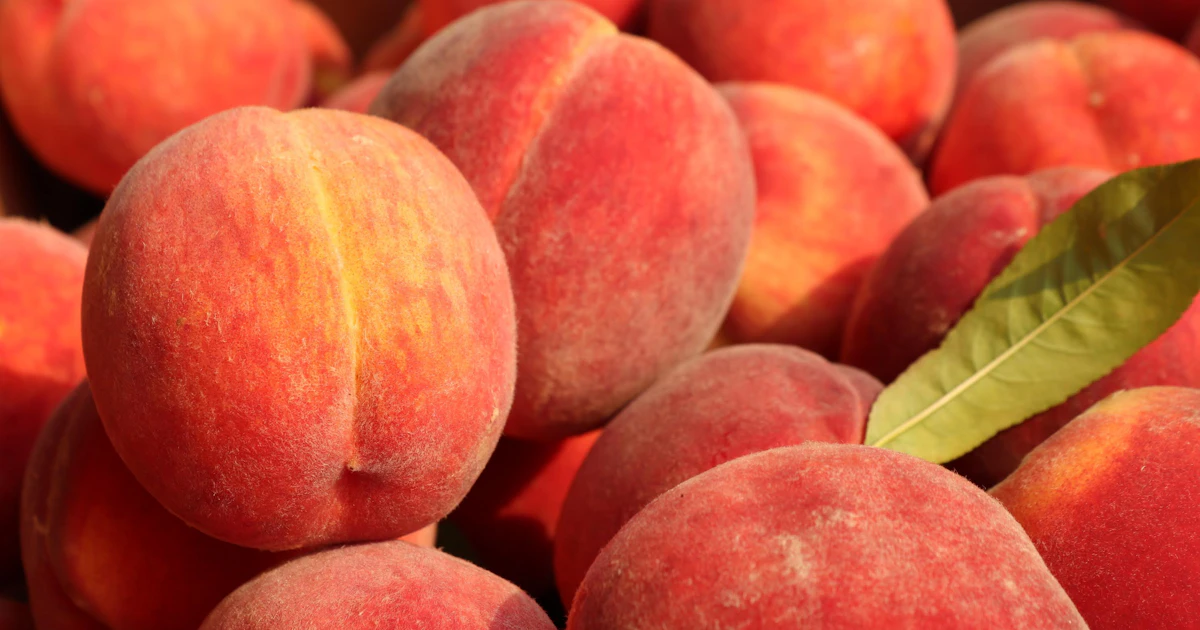
Photo by NisonCo PR and SEO on Unsplash
Peaches are a juicy summer fruit, and the stone in the middle is what makes them tricky for dogs. Dogs can eat fresh peach flesh in small amounts, as long as the pit and stem are removed first, since the pit is a choking and blockage hazard and contains cyanide compounds.
Below you will find how much peach a dog can have, what to do about the pit, skin and canned forms, and how to serve peaches.
Dog swallowed or chewed a peach pit? Call your vet or an emergency clinic now, even if your dog seems fine. Pet Poison Helpline: 855-764-7661. ASPCA Animal Poison Control: 888-426-4435. Drooling, trouble breathing, bright red gums or collapse are emergencies.
Quick answer: Yes, dogs can eat fresh peach flesh in small amounts. Always remove the pit and stem first. The pit is a choking and blockage hazard and contains cyanide compounds. Skip canned peaches in syrup, peach jam and peach yogurt with added sugar.
On this page
- Are peaches safe for dogs?
- How much peach can a dog have?
- Pit, skin, canned and other forms
- How to serve peaches
- Other stone fruits
- FAQ
Are peaches safe for dogs?
Yes, the flesh of a fresh, ripe peach is safe for dogs in moderation. The American Kennel Club and PetMD both say to serve it in small pieces with the pit and stem removed. Peaches are low in calories, around 39 kcal per 100 g, and provide some fiber and vitamins A and C. They also contain natural sugar, about 8 g per 100 g, so they are a treat and not a daily food.
The real danger is the pit, not the fruit.
How much peach can a dog have?
Treats should stay within about 10% of your dog’s daily calories. The table gives the calorie ceiling and a cautious portion of diced fresh peach, where a tablespoon weighs about 10 g. The practical amounts are my own conservative estimates, not a vet standard.
Offer peaches once or twice a week. Fiber and sugar, not calories, are what usually cause trouble, so the practical amounts sit far below the ceiling. Too much can cause gas or diarrhea. Start with a tiny piece the first time.
| Dog weight | Calorie ceiling (fresh peach) | Practical amount |
|---|---|---|
| 5 lb | about 53 g | about 5 g (½ tablespoon diced) |
| 10 lb | about 89 g | about 10 g (1 tablespoon) |
| 20 lb | about 150 g | about 20 g (2 tablespoons) |
| 35 lb | about 228 g | about 30 g (3 tablespoons) |
| 50 lb | about 298 g | about 40 g (4 tablespoons) |
| 75 lb | about 404 g | about 60 g (6 tablespoons) |
| 100 lb | about 502 g | about 80 g (8 tablespoons) |
Pit, skin, canned and other forms
Whole pits are mostly a blockage risk, because an unbroken pit releases little cyanide, as the veterinary team at Webvet points out. A chewed or cracked pit releases more. Since you cannot know how much your dog chewed, any known pit ingestion is worth a call to your vet. Watch for repeated vomiting, a painful belly, no appetite and straining to poop. Read about xylitol if a peach product is labeled sugar-free.
| Form | Safe? | Notes |
|---|---|---|
| Fresh ripe flesh, diced | Yes, small amounts | The best option |
| Pit (stone) | No | Choking and blockage; contains amygdalin, which can release cyanide when chewed |
| Stem and leaves | No | Also contain cyanide compounds |
| Skin | Optional | Not toxic, but fuzzy and can be hard to digest; peel for sensitive stomachs |
| Frozen peach slices | Yes, small, slightly thawed | Hard frozen pieces can hurt teeth |
| Canned peaches in syrup or juice | No | Too much sugar, and sometimes additives |
| Dried peaches | No | Concentrated sugar |
| Peach jam, preserves or pie | No | Sugar, and sometimes xylitol or spices |
| Peach yogurt | Only homemade with plain yogurt | Store-bought is usually sweetened |
How to serve peaches
- Wash the peach well.
- Cut it in half and twist out the pit; throw the pit away where your dog cannot reach it.
- Remove the stem, and peel the skin if your dog has a sensitive stomach.
- Dice the flesh into small pieces.
- Serve a small amount from the table above, fresh or lightly thawed from frozen.
Other fruits with portion guides: blueberries, strawberries, apples, watermelon, mango and oranges.
Other stone fruits
Nectarines, plums, apricots and cherries all have pits that contain the same kind of compound. Treat them the same way: remove the pit completely and feed only small pieces of the flesh. Cherry stems and leaves are also a concern, so it is safest to skip whole cherries.
The pit and the cyanide question
The AKC says the leaves and stem contain cyanide and that the pit contains amygdalin, which can prove fatal at certain doses, though a veterinarian it quotes says a dog would have to eat multiple pits to show negative effects. PetMD says dogs would have to chew up and swallow many pits for problems to develop, and Chewy says the pit contains trace amounts of amygdalin. Hepper calls the pit very toxic and says to call a vet if your dog eats one. Every source says to remove the pit, and the choking and blockage risk applies even if poisoning is unlikely.
Chewy’s peach portion sizes
Chewy gives slice counts by weight: 1 to 2 slices for dogs of 2 to 20 pounds, 2 to 3 for small, 4 to 5 for medium (about a quarter peach), 5 to 6 for large (about half), and one pitted peach for very large dogs. Hepper’s guide suggests limiting to half a peach a day to prevent diarrhea. PetMD says treats should stay under 10 percent of the day’s calories. These are different yardsticks, and the small end is safest.
Canned, frozen and dried
PetMD says to avoid peaches packed in heavy syrup, though ones canned in fruit juice are a better option. Hepper and Chewy both say not to feed canned or preserved peaches because of sugar and preservatives, and the AKC says canned or dehydrated peaches often contain excess sugar. PetMD says frozen peaches can be a choking hazard in big chunks and might damage teeth if hard, so thin, partially thawed slices are safer.
Skin, puppies and sugar
Hepper and Chewy both say the skin is safe, though it should be washed well, while Hepper says to hold off on peaches for puppies under six months because of sensitive digestion. PetMD says puppies can eat them in moderation. Chewy notes that sugar and acidity may affect dental enamel, and Hepper says dogs that are overweight or have diabetes should not get peaches.
Related stone fruits
Hepper says peaches and nectarines are safe without the pit, while other fruits of the same genus, including cherries, are not recommended. Chewy lists plums, apricots and peach pits together as containing cyanide compounds in the pit, stems and leaves. The rule applies to the whole family: remove the stone every time.
FAQ
Can dogs eat peach skin?
Most dogs can, since it is not toxic. It can be hard to digest, so peel it for puppies or dogs with sensitive stomachs.
Can dogs eat canned peaches?
It is best not to. Canned peaches usually come in syrup or juice with a lot of added sugar.
My dog ate a peach pit. What now?
Call your vet or poison control. A pit can cause choking or an intestinal blockage, and a chewed pit may release cyanide.
Can puppies eat peaches?
A tiny piece of fresh, pitted peach is generally considered fine, but puppies have sensitive stomachs. Keep it very small.
Are peaches good for dogs with diabetes?
Not without your vet’s approval, because peaches contain natural sugar.
Are peach pits poisonous to dogs?
PetMD, Chewy and the AKC say pits contain cyanide compounds, though a dog would need to chew many to be poisoned; they are also a choking and blockage risk.
How much peach can a dog eat?
Chewy gives slice counts by size, up to one pitted peach for very large dogs; Hepper says no more than half a peach a day.
Bottom line
Fresh peach flesh makes a sweet, low-calorie occasional treat for most dogs. Always remove the pit, stem and leaves, avoid canned and sugary products, and call your vet right away if your dog eats a pit.
I’m not a veterinarian. This article is general information and does not replace advice from your vet, especially for dogs with diabetes, weight problems or sensitive stomachs.
Related guides
- Can dogs eat cantaloupe?
- Can dogs eat pineapple?
- Can dogs eat kiwi?
- Can dogs eat plums?
- Can dogs eat apricots?
- Can dogs eat tangerines and clementines?
- Can dogs eat figs?
- Can dogs eat nectarines?
References
- American Kennel Club (AKC), can dogs eat peaches
- PetMD, can dogs eat peaches
- Webvet, can dogs eat peaches
- WebMD, safe fruits for dogs
- USDA FoodData Central, peach nutrient data
- AKC, Can Dogs Eat Peaches? (pit, amygdalin)
- PetMD, Can Dogs Eat Peaches? (canned, frozen, pits)
- Chewy, Can Dogs Eat Peaches? (slice counts, dental, diabetes)
- Hepper, Can Dogs Eat Peaches? (half a day, puppies)
- Hepper, 13 Fruits Dogs Can Eat Safely (nectarines, genus)
- Chewy, What Fruits Can Dogs Eat? (stone fruit pits)