Can Cats Eat Nuts? Which Are Risky and Which Are Not
Last updated: November 25, 2026. Sources are listed at the bottom.
Veterinary reviewed by Dr Zahid Iqbal, DVM, MRCVS and Dr Fatih Bozbay, Veterinarian.
Photo by Maksim Shutov on Unsplash
Nuts are a classic snack that cats like to knock off the table. Sources agree on the big picture: cats get nothing from them, and a few types deserve extra caution.
Most plain nuts are not proven poisons for cats, but they are fatty, hard to digest and a choking risk. Avoid macadamia nuts, bitter almonds and any moldy walnuts or pecans.
Which nuts are the biggest concern?
- Macadamia nuts. Known to be toxic to dogs. Catster says it is unclear whether cats are affected the same way, while Kinship and others advise avoiding them anyway. WebVet notes the classic macadamia weakness and tremors are reported in dogs, not cats. Because the evidence is incomplete, treat them as off limits.
- Bitter almonds. SpotPet says they contain cyanide and can be harmful even in small amounts.
- Walnuts and pecans. Hepper explains they can grow mold containing tremorgenic mycotoxins, which are toxic to cats and can cause panting, vomiting, tremors or seizures.
What about almonds, peanuts and cashews?
Cats.com says that according to the ASPCA, sweet almonds are not toxic to cats, but they are fatty, hard to digest and can cause vomiting, diarrhea and even pancreatitis, plus a choking and blockage risk. Catster says cats can eat almond products in strict moderation but gain nothing from them. Peanuts are legumes and not toxic, but salted or coated ones are a problem. See peanut butter for more.
Why nuts are still a poor choice
Nuts are high in fat and low in the animal protein cats need. Whole nuts can lodge in the throat or gut, and salted, spiced, chocolate-covered or candied nuts add further risks.
If your cat ate nuts
- One plain nut: watch for vomiting, diarrhea or belly pain.
- Macadamia, moldy walnuts or pecans, or bitter almonds: call your vet or a poison line. ASPCA (888) 426-4435 and Pet Poison Helpline (855) 764-7661 (fees may apply).
- Tremors, weakness, wobbling or repeated vomiting: go to a vet now.
Which nuts need the most caution
Bitter almonds contain amygdalin, which can release cyanide, and macadamia nuts are believed to be toxic to dogs; evidence in cats is not as clear, but they are best avoided. Old, moldy walnuts and pecans can carry mycotoxins that are very dangerous, so never offer nuts that smell musty.
Fat is the everyday problem
Even safe nuts are very high in fat. Pine nuts, for example, are around two-thirds fat by weight. Large amounts can upset the stomach and may raise the risk of pancreatitis, so a nut should never be a regular treat.
Choking, shells and blockages
Whole nuts are hard to chew, and shells, such as pistachio shells, can lodge in the gut. Sources differ on cashews: some warn about raw cashews, while the ASPCA does not list them as toxic, so this guide treats the raw-cashew claim as unverified and still cautious.
Safer ways to share a nutty flavor
If you want to offer a taste, a small plain unsalted piece of almond or cashew is the lowest-risk option. Do not give salted, flavored, chocolate-covered or candied nuts, and skip peanut butter with xylitol.
Mold: walnuts and pecans
Walnuts and pecans are prone to mold, and the mold, not the nut itself, can be the real danger, with digestive upset, tremors and seizures reported. Never offer old or musty nuts, and throw away any that look moldy.
Where sources disagree: cashews
The ASPCA does not list cashews as toxic, but some sites and veterinary writers say raw cashews should be avoided for cats. Without clear research, we take the cautious route and skip them, especially raw.
Salted and flavored nuts
Even non-toxic nuts are high in fat and are often coated in salt or seasoning, which makes them a poorer choice. Even plain nuts are not needed in a cat’s diet, so it is simplest to keep every nut off the menu.
Chestnuts: American versus horse
Catster says plain American chestnuts are non-toxic, but horse chestnuts are toxic and should be avoided, and anyone unsure which type a cat ate should call a vet. Hepper notes that chestnuts are low in fat but high in carbohydrates and offer cats no nutritional value. Catster adds that husks and shells are sharp and can cause choking or blockages.
Pine nuts and peanuts
Catster says a few pine nuts are unlikely to harm most cats, yet their high fat can cause diarrhea and vomiting, and heavy intake could contribute to pancreatitis. Hepper says pine nuts are not toxic but advises against them. For peanuts, Catster says plain, unsalted, shelled peanuts are fine in tiny amounts but give no benefit. Salted or spiced versions are the real risk.
Macadamias: what is and is not known
Hepper and Catster both say it is unclear whether macadamia nuts poison cats, since they are a known problem for dogs and no cat cases are proven. Catster’s macadamia guide still says to treat them as equally poisonous, listing tremors, lethargy and vomiting. With no way to tell, avoiding them is the cautious call.
Frequently asked questions
Can cats eat peanuts?
Plain peanuts are not toxic, but they are not a good treat and salted ones are worse.
Can cats eat almond milk or almond butter?
Only tiny amounts, if at all. They provide no benefit.
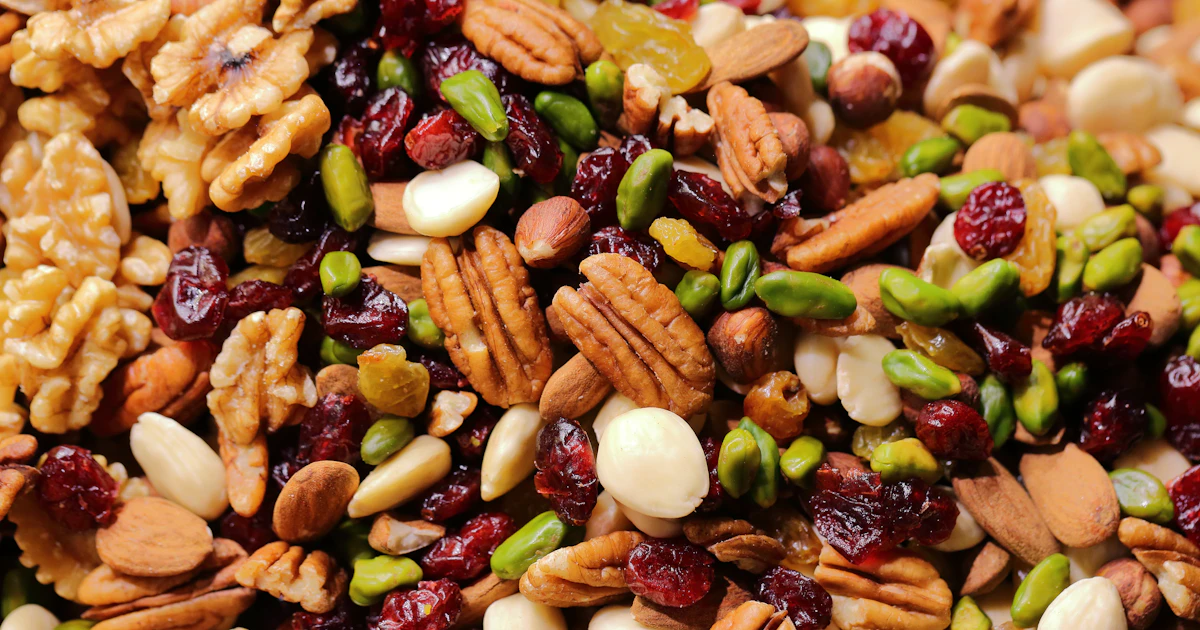
Are mixed nuts safe?
No. Mixed nuts often include macadamia, salt and seasoning.
Is it a choking risk?
Yes. Whole nuts and shells can choke a cat or block the gut.
Are almonds poisonous to cats?
Sweet almonds are listed as non-toxic by the ASPCA, but bitter almonds contain cyanide compounds and all almonds are high in fat.
Are walnuts safe for cats?
Plain fresh walnuts are not a typical poison, but old or moldy ones can cause serious problems, so they are better avoided.
Can cats eat cashews?
Not recommended. They are high in fat and sodium, and raw cashews are flagged by some sources, so it is better to skip them.
Can cats eat pistachios or hazelnuts?
Neither is considered toxic, but both are fatty and can be a choking hazard. They offer nothing a cat food does not already provide.
PawFoodCheck is not a veterinary service. This article is general information and does not replace advice from your own veterinarian.
Can cats eat chestnuts?
Catster says plain American chestnuts are non-toxic in small amounts, but horse chestnuts are toxic. Shells and husks must be removed because they can cause choking or blockages.
Can cats eat pine nuts?
Catster says a few are unlikely to harm most cats, though the high fat can cause diarrhea or vomiting. Hepper advises against them because cats gain no real benefit.
Are macadamia nuts toxic to cats?
It is not proven. Hepper says there is no confirmed evidence they harm cats, while Catster advises treating them as poisonous. Both say to keep cats away from them.
Related guides
References
- Hepper: Can Cats Eat Nuts?
- Catster: Can Cats Eat Nuts?
- Cats.com: Can Cats Eat Almonds?
- Kinship UK: Can Cats Eat Nuts?
- WebVet: Can Cats Eat Almonds?
- Hepper: Can Cats Eat Nuts?
- PangoVet: Can Cats Eat Cashews?
- Preventive Vet: Safe and unsafe nuts and seeds for pets
- Hepper: Can Cats Eat Nuts?
- Catster: Can Cats Eat Chestnuts?
- Catster: Can Cats Eat Pine Nuts?
- Hepper: Can Cats Eat Pine Nuts?
- Catster: Can Cats Eat Macadamia Nuts?
- Catster: Can Cats Eat Peanuts?