Can Dogs Eat Goat Cheese? Fat, Lactose & Safe Amounts (2026)
Last updated: November 25, 2026
Veterinary reviewed by Dr Zahid Iqbal, DVM, MRCVS and Dr Fatih Bozbay, Veterinarian.
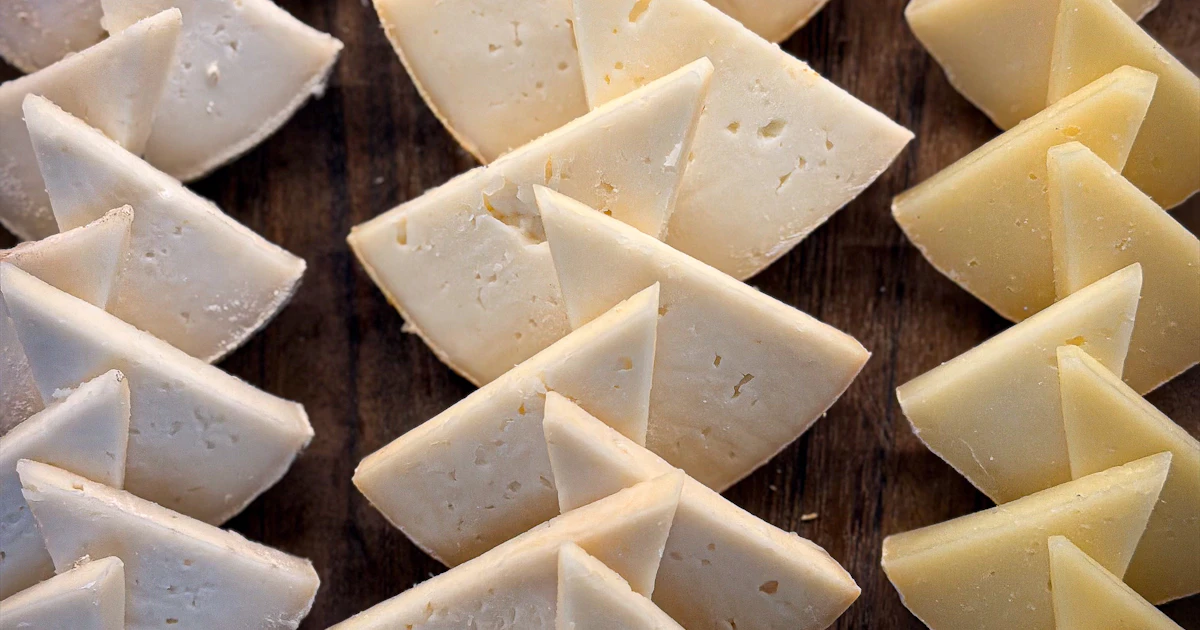
Photo by blackieshoot on Unsplash
Goat cheese is tangy and often spread or crumbled on salads and crackers, which makes it easy for a dog to get a taste. Plain goat cheese is not toxic, and a small taste is generally okay for a healthy dog that tolerates dairy, but it is rich, and soft goat cheese (chèvre) is high in fat.
Below we go through the risks, how soft goat cheese differs and how much a dog can have.
Quick answer: Plain goat cheese is not toxic, and a small taste is generally okay for a healthy dog that tolerates dairy. But it is rich and tangy, and soft goat cheese (chèvre) is high in fat, so it is not an ideal treat. Skip goat cheese rolled in herbs, garlic, pepper or dried fruit, and goat cheese served on pizza, salads or crostini.
On this page
- Can dogs have goat cheese?
- Risks to know
- Nutrition at a glance
- How much goat cheese is okay?
- Goat cheese in different foods
- Types of goat cheese
- FAQ
Can dogs have goat cheese?
Yes, a small taste is generally fine. Goat milk has somewhat less lactose than cow’s milk in many comparisons, and some owners report that their dogs digest it more easily, but that is not guaranteed and it is not a reason to feed more. Soft goat cheese is high in fat: a 1-ounce (28 g) serving has roughly 75 to 100 kcal depending on the type. Compare with milder options like mozzarella, string cheese or cottage cheese. For the wider overview, see can dogs eat cheese.
Risks to know
- Fat: Rich cheese can cause vomiting and diarrhea, and may trigger pancreatitis in susceptible dogs.
- Lactose: Lower than milk, but not absent. See can dogs drink milk.
- Salt: Goat cheese is usually moderately salty; feta-style goat cheese is saltier. See feta.
- Seasonings and coatings: Logs rolled in herbs, garlic, black pepper, honey, cranberries or nuts are best avoided. See can dogs eat garlic.
- Soft-ripened and raw-milk types: Rinds and unpasteurized cheese add mold and bacteria concerns. See brie for soft-ripened cheese.
Soft goat cheese nutrition at a glance
These are the figures for a 1-ounce (28 g) serving, which is far more than most dogs should get in one go.
The sodium is moderate for a cheese, and the fat and calories add up quickly. For comparison, cheddar has about 185 mg of sodium per ounce.
Source: USDA FoodData Central, “Cheese, goat, soft type” (FDC ID 173435), converted from per-100 g values and rounded.
| Per 1 oz (28 g) | Amount |
|---|---|
| Calories | about 75 kcal |
| Fat | about 6.0 g |
| Protein | about 5.2 g |
| Sodium | about 130 mg |
How much goat cheese is okay?
There is no vet standard for goat cheese. These amounts are my own conservative estimates for a healthy adult dog, as a rare taste. Dogs with pancreatitis, obesity or dairy intolerance should skip it. Start with a tiny amount and watch for gas, loose stools or vomiting.
| Dog weight | Rare taste (max) |
|---|---|
| Under 10 lb (4.5 kg) | A pea-size piece, or skip |
| 10 to 25 lb (4.5 to 11 kg) | About 1/2 teaspoon |
| 25 to 50 lb (11 to 23 kg) | About 1 teaspoon |
| 50 to 100 lb (23 to 45 kg) | About 1 tablespoon |
| Over 100 lb (45 kg) | About 1 to 2 tablespoons |
Goat cheese in different foods
| Form | Safe? | Notes |
|---|---|---|
| Plain soft goat cheese, tiny taste | Small amount | Rich; rare only |
| Aged or hard goat cheese | Small amount | Less lactose; still fatty and salty |
| Goat cheese with herbs or garlic | No | Garlic and onion are harmful |
| Goat cheese with honey, cranberries or nuts | No | Sugar and add-ins |
| Goat cheese on pizza or salad | No | Onions, dressing and salt |
| Goat cheese crostini | No | Bread, oil, garlic and toppings |
| Stuffed peppers or dates with goat cheese | No | Not dog-safe ingredients |
| Goat milk | Different food | See milk for dairy guidance |
Types of goat cheese and which are better
| Type | Verdict | Notes |
|---|---|---|
| Fresh chèvre (plain) | Tiny taste only | Soft, tangy, high in fat |
| Aged or hard goat cheese | Tiny taste only | Less lactose, but saltier |
| Goat cheddar or goat gouda | Tiny taste only | Check for wax and added salt |
| Goat cheese logs with herbs, garlic or pepper | No | Seasonings |
| Goat cheese with honey, fruit or nuts | No | Sugar and add-ins |
| Goat feta | Avoid | Very salty; see feta |
| Soft-ripened goat cheese with rind | Avoid | Rich; see brie for the rind question |
Goat cheese vs goat milk
Goat milk has slightly less lactose than cow’s milk, and cheesemaking removes most of the rest, which is why some dogs tolerate goat cheese better than milk. That does not make it a health food for dogs. It is still rich, and the same small portions apply. For milk, see can dogs drink milk.
FAQ
Can dogs eat goat cheese?
A small taste of plain goat cheese is generally okay for a healthy dog, but it is rich and best kept rare.
Is goat cheese easier to digest than cow cheese?
It can be for some dogs because of lower lactose, but it is still high in fat, and individual dogs vary.
Can dogs eat goat cheese with herbs?
No. Herb-coated goat cheese often contains garlic, onion or heavy seasoning.
Can dogs eat goat cheese rind?
Avoid it. Rinds on soft-ripened cheeses are not needed for dogs and add mold concerns.
Can puppies eat goat cheese?
A tiny taste may be fine, but puppies are sensitive to rich foods. Ask your vet first.
Is goat cheese lower in lactose than cow cheese?
Goat milk has a little less lactose than cow’s milk, but most cheeses are already low in lactose, so the difference is small. What matters more is the fat and salt.
Can dogs eat goat cheese on pizza or salad?
No. Pizza and salads usually include onion, garlic, dressing or dough along with the cheese.
What if my dog eats too much goat cheese?
A large amount of goat cheese can cause vomiting or diarrhea because it is rich in fat. If the cheese contained garlic, chives or onion, call your vet rather than waiting. Offer fresh water, skip treats for the rest of the day, and call your vet if vomiting or diarrhea continues, or if your dog seems tired or in pain.
Bottom line
Plain goat cheese is okay in a tiny taste now and then, but it is rich. Keep herbs, garlic, honey and fancy toppings away, and use milder cheeses if you want a regular training treat.
I’m not a veterinarian. This article is general information and does not replace advice from your vet, especially for dogs with pancreatitis.
References
- American Kennel Club (AKC), can dogs eat cheese
- PetMD, can dogs eat cheese
- Merck Veterinary Manual, pancreatitis in dogs
- USDA FoodData Central, goat cheese nutrient data