Can Cats Eat Avocado? Persin and Safety
Last updated: November 25, 2026. Sources are listed at the bottom.
Veterinary reviewed by Dr Zahid Iqbal, DVM, MRCVS and Dr Fatih Bozbay, Veterinarian.
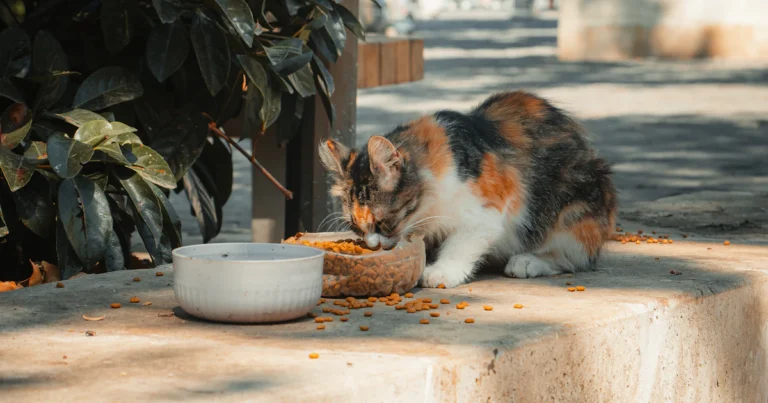
Photo by Thought Catalog on Unsplash
Avocado advice varies by source, which makes it confusing. The honest summary is that the flesh is low risk in tiny amounts, but there is little reason to feed it.
The pit, skin and leaves are the real concern.
Short answer: best avoided. A lick of plain flesh is usually low risk.
Never let a cat eat the pit, skin or leaves. Call your vet if your cat ate a pit or a lot of avocado.
What is persin?
PetMD says the skin, pit and leaves contain a toxin called persin that can make birds, cattle, horses and rabbits very sick. PetMD adds that persin is less of a concern in cats and dogs, but you should not let a pet eat the skin or pit.
What do vets say about the flesh?
WebVet says a small lick of plain ripe flesh is unlikely to cause serious harm to a healthy cat, but it rates avocado as not recommended and says to call for a swallowed pit, substantial amount or symptoms. Dutch says to avoid it because the toxic dose is unknown. Kinship says the flesh is safe. Because opinions differ, the cautious path is to skip it.
The pit is a choking hazard
PetMD says the pit is a significant choking hazard.
Guacamole and avocado products
Pawlicy says guacamole is not safe because it often contains onion and garlic, which are toxic to cats. See our onion and garlic guide.
What to do if your cat ate avocado
If your cat licked flesh and acts normal, watch for vomiting or diarrhea. If it swallowed a pit or a large amount, call your vet or the ASPCA Animal Poison Control at (888) 426-4435.
Which parts of an avocado are risky?
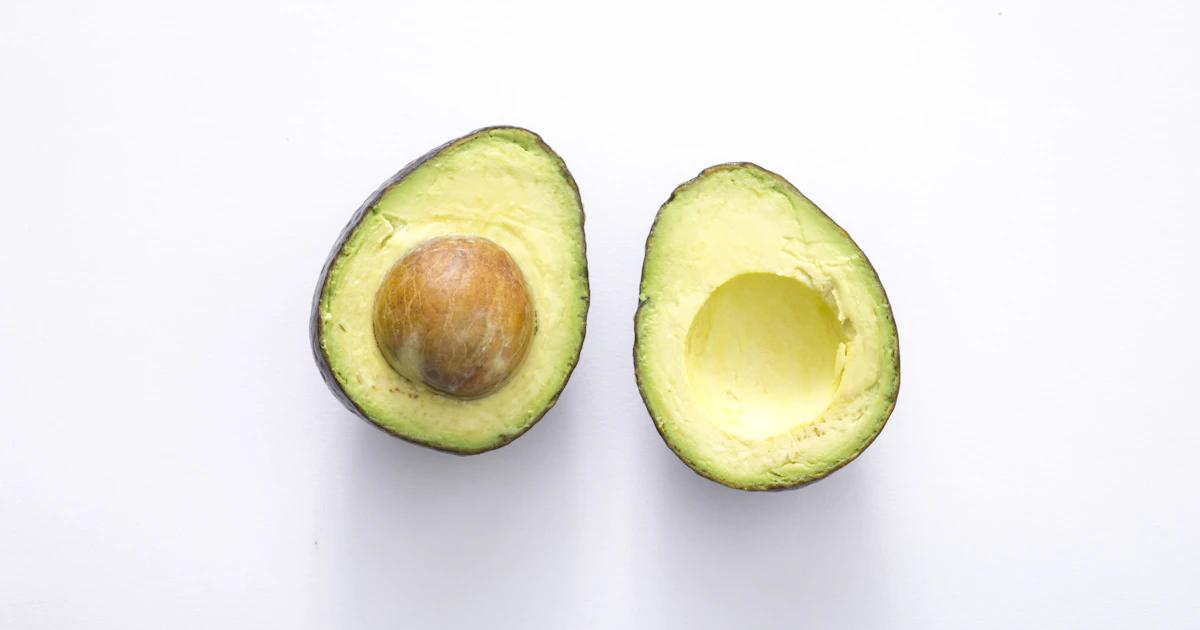
The skin, pit and leaves contain the most persin, a natural fungicide. PetMD says persin matters less for cats and dogs than for birds, cattle, horses or rabbits, but you should still keep these parts away, and the pit is a major choking hazard. Litter-Robot adds that persin is more potent in Guatemalan avocados and that cats are considered mildly affected. Pet-owners sometimes grow avocado from the pit, so keep those plants out of reach.
Is the flesh okay?
Sources split here. PetMD and Cats.com say plain flesh has very low persin and is considered safe in small amounts, though it is high in calories and fat. Dutch, on the other hand, says it is best to avoid avocado entirely because the harmful dose of persin for cats is unknown. Chewy notes persin can cause vomiting, diarrhea and abdominal discomfort if eaten in excess.
Serving size, if you choose to share
Litter-Robot suggests no more than about a tablespoon of flesh mixed into food, and PetMD says very small and infrequent amounts. Peel it, remove the pit and cut it into small pieces, as BasePaws advises.
Guacamole and avocado oil
Chewy and PetMD say never share guacamole, which often contains onion, garlic, lime and spices. Pawlicy says small amounts of avocado oil are fine, but it adds fat.
How much fat is the real issue?
Avocado is dense in fat and calories, and that is the practical worry for a small cat. Half an avocado can equal most of a cat’s whole day of calories, so it is easy to overfeed. Too much fat at once can upset the stomach and may contribute to pancreatitis in a cat that is prone to it.
A tiny taste versus a regular treat
Sources differ here. One veterinary site says a very small amount of plain flesh, about half a tablespoon once every few weeks, is acceptable. Another advises that cats should not be given avocado on purpose at all. The cautious middle ground is that a lick of plain flesh from a dropped piece is unlikely to hurt, but it should never become a routine treat.
Avocado plants and leaves
The leaves, bark and skin carry the most persin, so an avocado houseplant or a grown-from-pit seedling deserves the same caution as the fruit. Keep plants and discarded skins and pits out of a curious cat’s reach, including in the trash and compost.
Frequently asked questions
Is avocado toxic to cats?
The pit, skin and leaves contain persin. PetMD says persin is less of a concern in cats, but those parts should still be avoided.
Can cats eat guacamole?
No. It often contains onion and garlic.
Can cats eat avocado oil?
Pawlicy says small amounts are safe, but it is high in fat, so there is no need.
Can kittens eat avocado?
Avoid it. Kittens and cats with digestive problems have less margin for error.
Is avocado toast safe for cats?
The bread and toppings add salt, fat and sometimes onion or garlic, so skip it.
Why do some sources say avoid it completely?
Because the exact toxic dose of persin in cats is unknown, per Dutch.
What if my cat chewed the pit or skin?
PetMD lists the skin, pit and leaves as the parts with high persin levels and the pit as a serious choking hazard.
Can avocado cause pancreatitis in cats?
A large fatty exposure can, in a cat that is predisposed. A lick of flesh is not expected to trigger it, but it is another reason to keep portions tiny and rare.
Is avocado in cat food safe?
Some pet foods use avocado oil or meal in small amounts and are judged as finished products by their nutrition label. That is different from handing a cat fresh avocado.
Are avocado plants dangerous for cats?
The leaves and bark contain persin, so it is safest to keep the plant out of reach.
PawFoodCheck is not a veterinary service. This article is general information and does not replace advice from your own veterinarian.
Related guides
References
- PetMD: Can Cats Eat Avocado?
- WebVet: Can Cats Eat Avocado?
- Dutch: Can Cats Eat Avocado?
- Pawlicy: Can Cats Eat Avocado?
- PetMD: Can Cats Eat Avocado?
- Chewy: Can Cats Eat Avocado?
- Litter-Robot: Can Cats Eat Avocado?
- Cats.com: Can Cats Eat Avocado?
- Pawlicy: Can Cats Eat Avocado?
- Dutch: Can Cats Eat Avocado?
- PetMD: Can Cats Eat Avocado?
- Catster: Can Cats Eat Avocado?
- Cats.com: Can Cats Eat Avocado?