Can Cats Eat Butter? Safety, Risks and What to Know
Last updated: November 25, 2026. Sources are listed at the bottom.
Veterinary reviewed by Dr Zahid Iqbal, DVM, MRCVS and Dr Fatih Bozbay, Veterinarian.
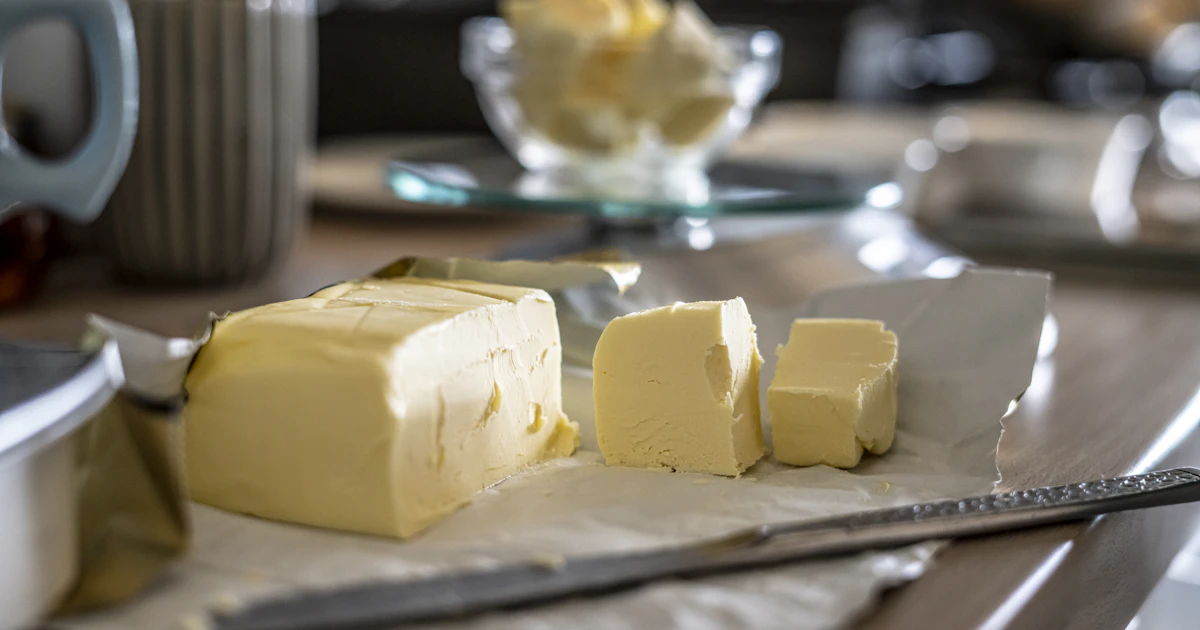
Photo by Sorin Gheorghita on Unsplash
Cats love stealing butter off the counter. The good news is that a small lick is rarely dangerous. The bad news is that butter is almost pure fat and offers no benefit to a cat.
Here is what sources agree on, and the popular hairball myth.
A lick or two is usually fine. Larger amounts can cause vomiting, diarrhea or, in rare cases, pancreatitis. Butter does not help hairballs.
Is butter toxic to cats?
No. Kinship and Hill’s UK both say butter is not toxic but that the fat and lactose can cause digestive upset. PetMD notes most cats tolerate a lick or two, while many have trouble with more. Never deliberately give flavored butter such as garlic butter, since garlic is harmful to cats.
The risks of too much fat
PetKeen warns that too much fat can cause digestive upset or pancreatitis, an inflamed pancreas that needs veterinary care. Watch for abdominal pain, diarrhea, vomiting and loss of appetite.
The “butter for hairballs” myth
You may have heard that a dab of butter helps hairballs pass. Petscare points out there is no scientific evidence for this. Regular brushing, a good diet and, as FAQCats suggests, cat grass are better options. For hairball products, ask your vet. Butter adds fat without helping.
If your cat ate butter
- A small lick: nothing to do but watch.
- A stick or lots of buttery food: call your vet, especially for small cats or those with a history of pancreatitis.
- Garlic or onion butter: treat as a possible toxic exposure and call your vet or a poison line.
Fat is the main issue, not just lactose
Butter is mostly fat with only a trace of lactose, so the usual worry about dairy is smaller here than with milk. The bigger concern is the fat load. A lick is unlikely to matter, but a larger amount can inflame the gut and, in some cats, the pancreas, which can cause vomiting, belly pain, lower appetite and weight loss.
Flavored and cooked-in butter
Garlic butter, herb butter and butter on toast often bring onion, garlic or lots of salt with them, and those are the real hazards. Plain unsalted butter is the least risky version, but that does not make it a treat worth giving.
Butter, margarine and oils behave alike
Margarine and cooking oil carry the same fat problem. If your cat laps up a pan of leftover grease, treat it the same way as a butter raid and watch for stomach upset over the next day or two.
Butter as a pill coating
Some owners smear butter on a pill or paw to ease medication or soothe a cat during a move. Better options exist, such as a pill pocket or a bit of wet food, because regular butter adds fat without helping.
Salted versus unsalted, plain versus flavored
Unsalted plain butter is the least risky type. Salted butter adds sodium, and garlic or herb butter brings in toxic alliums. Butter on toast or in cooked dishes combines fat with whatever else is in the meal.
Why cats go for butter
Cats are drawn to fat, which is why a stick left on the counter disappears. The attraction does not make it a good food, and calories are the main long-term issue.
Lactose in butter: sources disagree
One source says all cats are lactose intolerant and should avoid dairy, including butter. Another says the real problem with butter is calories, not lactose, and that most cats can tolerate a little. Butter has far less lactose than milk, so fat is the more reliable concern.
Fat and protein: the numbers behind the warning
Hepper says cat food should have at least 26 percent protein and 9 percent fat, with higher protein better, and points out that a mouse has roughly 55 percent protein and 45 percent fat. Butter is very high in fat and very low in protein, so it can throw a diet out of balance and, in Hepper’s words, would leave an all-butter meal missing the amino acids found in meat. PetMD adds that the fat can inflame the intestines and pancreas.
Cream and buttermilk are not the same as butter
Catster says cream is loaded with fat and lactose and that cats lose the enzyme that digests lactose after weaning, so cream can cause stomach pain, diarrhea, bloating and vomiting. Catster’s and Hepper’s buttermilk guides both advise against it, noting it still contains lactose. Butter sits in a different place because the sources describe it as low in lactose, while still being rich in fat.
Nut butters are a separate question
Catster says almond butter is not toxic, but it is fatty, can upset the stomach, and its sticky texture could be a choking risk, so only a tiny amount should be offered. Hepper is more relaxed about almond butter in moderation. PetMD’s peanut butter guide advises checking for xylitol in any nut butter. None of these turn butter into a good snack.
Frequently asked questions
Can cats eat buttered bread or toast?
A tiny bite is unlikely to harm, but it adds fat for no benefit. See our bread guide.
Is margarine safer?
No. It is also high in fat and has no benefit for cats.
Can butter help with constipation?
It is not a recommended remedy. Constipation in cats can be serious, so speak to your vet.
Is ghee different?
Ghee has very little lactose but is still pure fat, so the same caution applies.
Is butter toxic to cats?
No. Plain butter is not poisonous, but its high fat content can cause stomach upset or pancreatitis if eaten in quantity.
Can cats eat a little butter every day?
It is not recommended. Daily butter adds calories without nutrients and raises the chance of weight gain and digestive trouble.
Does butter help cats with hairballs?
No. It is a common myth, and the fat is more likely to upset the stomach than help.
Can cats eat margarine?
Margarine and similar spreads carry the same fat problem, so they are not better than butter.
PawFoodCheck is not a veterinary service. This article is general information and does not replace advice from your own veterinarian.
Can cats eat cream?
Catster says cream is not toxic but is loaded with fat and lactose, and a small taste may be fine for some cats while others get stomach upset or diarrhea. It recommends meaty treats instead.
Can cats drink buttermilk?
Not recommended. Catster and Hepper both say buttermilk still contains lactose, and Catster adds that the only milk a cat needs is its mother’s milk during kittenhood.
Is almond butter better than butter for cats?
Neither is a good treat. Catster says almond butter can cause vomiting or diarrhea in some cats and is too fatty, while Hepper says it can be given in moderation. Both agree a cat gains little from it.
Related guides
- Can cats eat bread?
- Can cats eat cheese?
- Are onions and garlic toxic to cats?
- Safe human foods for cats
References
- PetMD: Can cats eat butter
- Kinship: Can cats eat butter
- PangoVet: Can cats eat butter
- Catster: Can cats eat butter
- Catster: Can cats eat butter
- Kinship: Can cats eat butter
- PetMD: Can cats eat butter
- PangoVet: Can cats eat butter
- Catster: Can Cats Eat Butter?
- Hepper: Can Cats Eat Butter?
- Catster: Can Cats Eat Cream?
- Catster: Can Cats Drink Buttermilk?
- Catster: Can Cats Eat Almond Butter?