Can Cats Eat Cottage Cheese? Safe Amounts and Risks
Last updated: November 25, 2026. Sources are listed at the bottom.
Veterinary reviewed by Dr Zahid Iqbal, DVM, MRCVS and Dr Fatih Bozbay, Veterinarian.
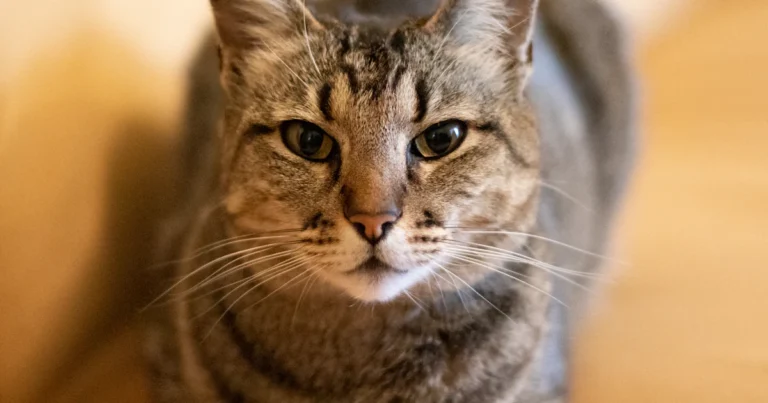
Photo by Gennady Zakharin on Unsplash
Cottage cheese is one of the gentler dairy foods you can share with a cat. It has less lactose than milk or soft cheeses, and it is mostly protein. That is why it shows up on so many lists of “okay” human foods for cats.
Still, cats are obligate carnivores and do not need dairy at all. Whether a bite is fine for your cat depends on the cat, the product and the amount.
It is not toxic, but many cats are lactose intolerant. Keep it plain, keep it to a lick or a small spoonful, and skip it if your cat has had stomach trouble with dairy before.
Is cottage cheese safe for cats?
Cottage cheese is not poisonous to cats. Hepper describes plain cottage cheese in small amounts as an occasional option and notes it is one of the lower-lactose cheeses. Purina UK also says it can be offered in moderation, preferably a low-fat type. Vets Now takes a stricter view and suggests it is best avoided because it still contains roughly 3.3 g of lactose per 100 g. These sources disagree a little, so the sensible middle ground is: tiny amount, rarely, and only if your cat handles it well.
How much is okay?
Hepper suggests no more than about half a teaspoon once or twice a week for most adult cats. Think of it as a taste, not a meal. Some cats show signs of lactose intolerance after only a few licks, so start with a very small amount and watch for 24 hours.
Which kind to choose (and which to avoid)
- Plain, low-fat or regular, with no add-ins. This is the only type worth considering.
- Avoid flavored or seasoned versions. Chives, onion, garlic and fruit mixes can be harmful or just too sugary.
- Watch the salt. Cottage cheese can be fairly salty, which is not ideal for small bodies.
- Skip it for kittens, and for cats with kidney disease or pancreatitis, unless your vet says otherwise.
Signs your cat did not tolerate it
Lactose trouble usually shows up within a few hours: loose stools or diarrhea, gas, bloating, vomiting or a gurgling belly. Mild signs normally pass. If your cat vomits repeatedly, seems painful or stops eating, call your vet.
Does cottage cheese help an upset stomach?
Harringtons notes that it is sometimes suggested for an upset tummy, but advises checking with your vet first. A cat with diarrhea or vomiting needs a proper plan, and dairy can make things worse, so do not treat it as a home remedy.
Cottage cheese versus other cheeses
Cottage cheese is fresh cheese and is lower in fat than many aged cheeses, but it still contains lactose, so sources disagree. Hepper calls it one of the lower-lactose options, while PetMD and others advise cats to avoid it because of the lactose. It also tends to be salty.
Read the tub
Salt, fat and calories vary by brand, and low-fat does not guarantee low sodium. Flavored or fruit-mixed versions can contain garlic, chives, onion or artificial additives, so only plain cottage cheese is worth considering.
Not a diet food for cats
Cottage cheese provides protein and calcium, but cats get these from complete cat food. Cats that are overweight or prone to stomach upset are better off skipping it.
Trying a small taste
If you do offer it, a tiny spoonful once in a while is the most any source supports, and a cat that gets gas, loose stools or vomiting afterward should not get it again.
Why vets still hesitate
Cottage cheese is lower in fat and lactose than many cheeses and is high in protein, but it is still dairy, and most adult cats do not digest lactose well. That is why even the gentler dairy options are kept to a taste.
Using it to hide a pill
Some vets use a small amount of cottage cheese, drained of its liquid, to hide a pill. About a teaspoon is the usual amount, and it is worth asking your vet first because not every medicine should be given with dairy.
Low-fat versus full-fat
If you offer it at all, a low-fat type is the better pick because fatty dairy is harder on a cat’s stomach. Avoid versions with added fruit, sugar or flavorings.
Frequently asked questions
Can kittens eat cottage cheese?
It is better to avoid it. Kittens need their mother’s milk or kitten formula and a proper kitten food. Dairy can upset their small, developing digestive systems.
Is cottage cheese better than milk for cats?
Usually it is gentler because it contains less lactose, but it is not a necessary food. Neither one replaces a complete cat food.
Can cats eat cottage cheese every day?
No. Even a good plain version should stay an occasional treat. Extra calories, salt and lactose add up.
What if my cat ate a lot?
A large portion can cause diarrhea and vomiting. Offer water, hold off on more treats, and call your vet if signs are strong or last more than a day.
How much cottage cheese can a cat eat?
One source suggests a teaspoon or two, but others suggest avoiding it. Treat it as an occasional tiny taste, if at all.
Is lactose-free cottage cheese safe for cats?
It is lower in lactose, but it still has salt and fat, so it remains an optional treat.
Is cottage cheese a good protein for cats?
It contains protein, but it is no substitute for meat-based cat food and still carries lactose.
Can I use cottage cheese to give my cat a pill?
Some vets suggest a drained teaspoon, but ask your vet first.
PawFoodCheck is not a veterinary service. This article is general information and does not replace advice from your own veterinarian.
Related guides
References
- Hepper: Can Cats Eat Cottage Cheese?
- Purina UK: Can Cats Eat Cottage Cheese?
- Vets Now: Can Cats Eat Cheese?
- WebVet: Can cats eat cottage cheese
- Hepper: Can cats eat cottage cheese
- PetMD: Can cats eat cheese
- Catster: Can cats eat cottage cheese
- Catster: Can Cats Eat Cottage Cheese?
- Purina: Can Cats Eat Cheese?
- Catster: Can Cats Eat Cheese?