Can Cats Eat Raw Salmon? Parasites and Thiaminase
Last updated: November 25, 2026. Sources are listed at the bottom.
Veterinary reviewed by Dr Zahid Iqbal, DVM, MRCVS and Dr Fatih Bozbay, Veterinarian.
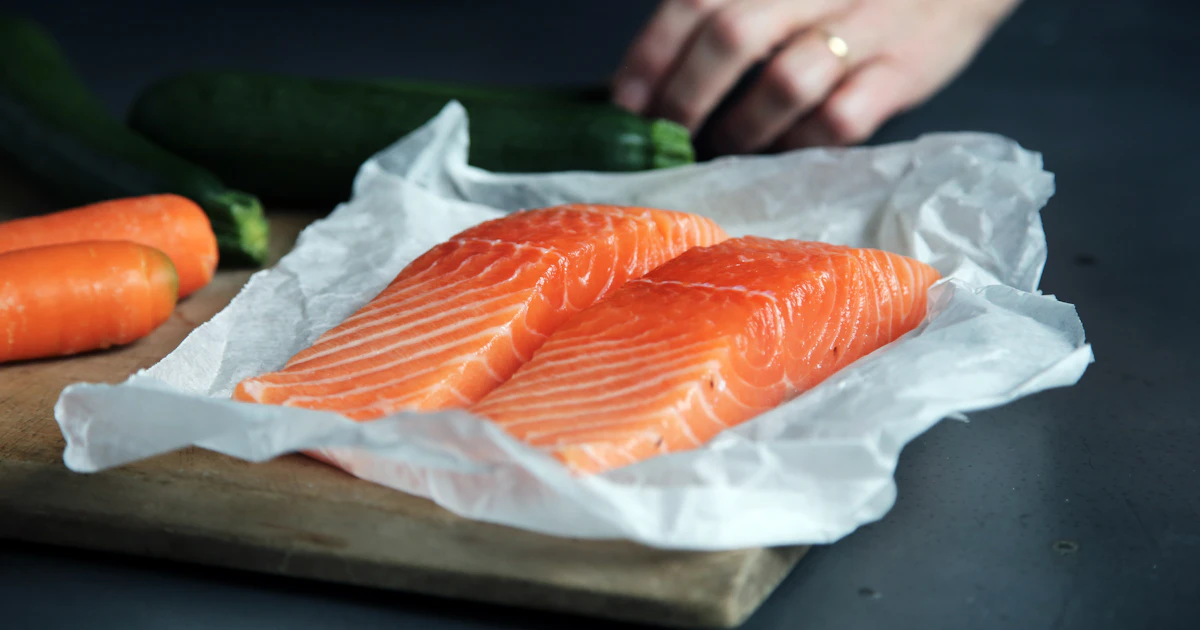
Photo by Caroline Attwood on Unsplash
Cats love fish, so raw salmon from sushi or the fridge is tempting to share. A single lick is usually not an emergency, but raw salmon is not a good food for cats.
Here are the risks, and a safer way to share salmon.
Raw salmon can carry bacteria and parasites, and raw fish can contain thiaminase, which can lead to vitamin B1 deficiency. Cook salmon thoroughly, without seasoning or bones.
Bacteria and parasites
Cats.com says raw fish can be contaminated with bacteria, parasites and other organisms, including E. coli, Listeria and Salmonella, and that cats can get food poisoning or develop an obstruction from fish bones. Rover says parasites such as tapeworms can be transmitted through raw fish.
Thiaminase
Hepper says some raw fish contain an enzyme called thiaminase, which can result in a thiamine (vitamin B1) deficiency in cats. Regular raw fish feeding is the concern, not a single nibble.
What if my cat ate a bit?
Watch for vomiting, diarrhea or other symptoms, as Cats.com advises, and call your vet if they appear, or if the fish had bones. Keep any packaging.
Safer: cooked salmon
Hepper says cats can eat salmon that is cooked, unseasoned and deboned, but cannot be kept on a salmon-only diet. See our cooked salmon guide. For other fish, see tuna.
Raw salmon: three separate concerns
Raw salmon raises more than one issue, and mixing them up leads to confusing advice. The first is bacteria such as Salmonella and E. coli. The second is a parasite, Nanophyetus salmincola, found in some Pacific salmon. The third is thiaminase, an enzyme that can break down vitamin B1 (thiamine) in cats that eat large amounts of raw fish regularly.
Salmon poisoning disease, explained simply
The parasite itself is mostly harmless, but it can carry bacteria that cause salmon poisoning disease. The risk is tied to fish from certain Pacific Northwest waters, and farmed fish are not automatically exempt. Cooking and deep freezing guidelines exist for people, but a pet owner cannot easily check what fish went through, so cooking is the simpler safeguard.
What about thiaminase?
Cooking destroys thiaminase, which is one more reason cooked fish is friendlier. Sources differ on how common the problem is: the evidence does not support saying all raw salmon is loaded with it, but a diet built heavily on raw fish can still lead to a thiamine shortage over time. An occasional bite is a very different situation from a daily habit.
Better ways to give your cat salmon
Plain cooked salmon, boneless and unseasoned, is the better treat. Skip raw skin, smoked salmon and canned varieties packed with salt or oils, and watch for stray bones that can cause blockages. Because fish can also carry mercury, keep it as a treat rather than the main meal.
Salmon skin, canned and smoked
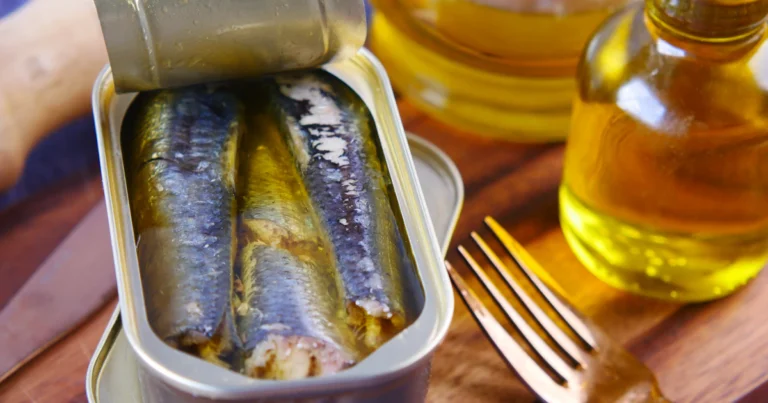
Cooked salmon skin is okay as a pinch now and then, but raw skin should be avoided. Canned and smoked salmon are best skipped, since they carry extra sodium and sometimes oil, sugar or spices.
Handling raw salmon at home
Raw fish can carry bacteria that affect people as well as cats. Wash your hands, board and knife after touching it, and keep it away from other food. The safest route is to skip raw salmon and offer cooked.
Salmon is rich
Salmon is high in fat and calories compared with white fish, so a small piece goes a long way, especially for cats that are already heavy.
Cooking temperature and leftovers
Catster cites the USDA guideline that fish be cooked to at least 145°F (62.8°C), and says cooked fish should not sit out more than 2 hours at room temperature, or 1 hour at 90°F and above. Since raw salmon is the risky form, cooking it through and cooling it promptly is the simplest way to lower the risk for both the cat and the person handling the food.
What thiamine deficiency looks like
Catster says signs include lack of coordination, seizures, loss of appetite, head tilting, dilated pupils and neck curling, and that the deficiency can even be fatal. Hepper describes serious central nervous system problems including seizures, paralysis and vision loss, with brain lesions if left untreated, and says the deficiency can generally be corrected but treatment can be time-consuming and expensive. Catster notes the risk is highest in cats eating a diet made mostly of raw seafood, so a single nibble is not the same as a steady raw-fish habit.
Fish allergy and taurine
Catster says fish is the second most common food source involved in feline skin food allergies after beef, so salmon is not ideal for every cat. Hepper adds that some fish, particularly white fish, have less taurine than red meat sources, which is one reason cats cannot live on fish alone.
Frequently asked questions
Can cats eat sushi?
Not recommended. Raw fish carries bacteria and parasites, and sushi often has rice, soy sauce or wasabi.
Can cats eat smoked salmon?
Not recommended. It is usually salty and may contain seasonings.
Can cats eat raw fish at all?
Cats.com says it is best to avoid raw fish because of bacteria and parasites.
Can kittens eat raw salmon?
No. Kittens need kitten food and are more vulnerable.
How much cooked salmon is okay?
A few small pieces as an occasional treat, per our cooked salmon guide.
Is sushi-grade salmon safe for cats?
Sushi-grade is a retail label, not a guarantee against parasites or bacteria for a cat, so cooked salmon is still the more cautious pick.
Can cats get sick from a tiny piece of raw salmon?
One small piece is unlikely to cause thiamine problems, but bacteria and parasites are not dose-dependent in the same way, so it is best not to make it a habit.
Can cats eat canned salmon?
It is not recommended. Canned salmon can contain extra sodium and added oil, sugar or spices.
Can cats eat salmon skin?
Cooked skin in a tiny amount is acceptable. Raw skin is best avoided.
PawFoodCheck is not a veterinary service. This article is general information and does not replace advice from your own veterinarian.
Is raw salmon okay in a raw food diet?
Catster’s cooked fish guide says cats should not be fed raw fish even when they are on a raw diet. Catster’s other guide adds that raw diets should first be discussed with a vet, and that commercially prepared raw pet foods carry higher contamination risks with Salmonella, Listeria and E. coli.
Can raw salmon cause seizures in cats?
Indirectly, yes. Raw fish contains thiaminase, which destroys thiamine, and a long-term thiamine deficiency can cause seizures, according to Catster and Hepper. This happens with regular raw fish feeding, not usually a single bite.
How is cooked salmon safer than raw?
PetMD says cooked salmon is much safer because cooking reduces the risk of bacteria and the Nanophyetus salmincola parasite, though bones, seasonings and oil still matter. Hepper adds that cooking lowers the protein content of salmon, a trade-off worth knowing about.
Related guides
References
- Cats.com: Can Cats Eat Raw Fish?
- Hepper: Can Cats Eat Salmon?
- Rover: Why Do Cats Like Fish?
- PetMD: Can cats eat salmon
- PetMD: Can Cats Eat Salmon?
- WebVet: Can Cats Eat Salmon?
- Rover: Why Do Cats Like Fish?
- Catster: Can Cats Eat Raw Fish?
- Catster: Can Cats Eat Cooked Fish?
- Catster: Can Cats Eat Salmon Skin?
- Hepper: Can Cats Eat Raw Fish?
- Hepper: Can Cats Eat Salmon?