Can Dogs Eat Eggs? Cooked vs Raw, Safe Amounts (2026)
Yes, dogs can eat cooked eggs. See safe amounts by dog size, why raw eggs are risky, and how to prepare eggs for your dog.
Can dogs eat the snacks you have at home? Clear, vet-informed answers on common human foods, with safe amounts and the risks to know.
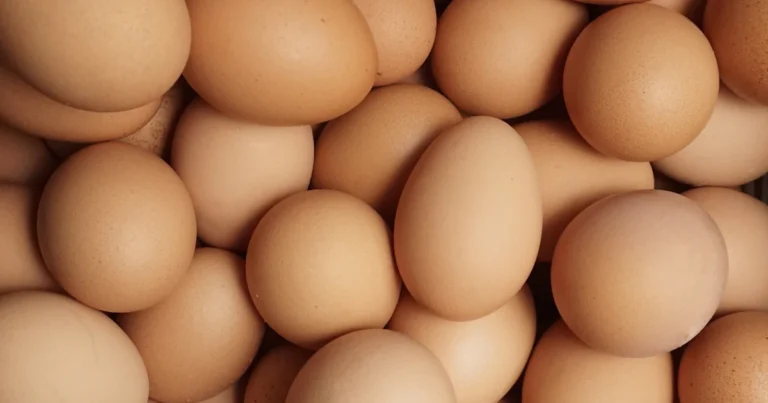
Yes, dogs can eat cooked eggs. See safe amounts by dog size, why raw eggs are risky, and how to prepare eggs for your dog.
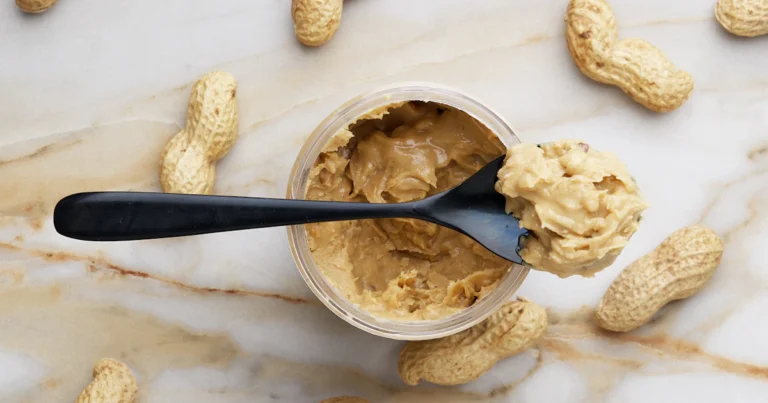
Yes, dogs can eat peanut butter if it is xylitol-free. See safe amounts by dog size, labels to avoid, and what to do if xylitol is eaten.

Chocolate is toxic to dogs. See which types are worst, how much is dangerous, the signs of poisoning and what to do right now.

No. Macadamia nuts are toxic to dogs and can cause weakness, vomiting and tremors. Learn the signs, what to do, and when to call a vet.

A tiny lick of plain mustard is unlikely to harm most dogs, but mustard can irritate the stomach and some varieties contain garlic, onion or sugar.
Mayonnaise is not poisonous to dogs, but it is mostly fat. Learn how much is too much and when flavored mayo is a problem.
A small lick of ketchup is usually not an emergency, but ketchup is salty and sugary and may contain onion or garlic. Here is what to check.

Cheez-Its are not recommended for dogs: they are salty and oily, and some flavors contain onion or garlic. See what to do if your dog ate some.
Yes, xylitol is highly toxic to dogs. Learn which products contain it, the signs of poisoning, and exactly what to do if your dog ate some.
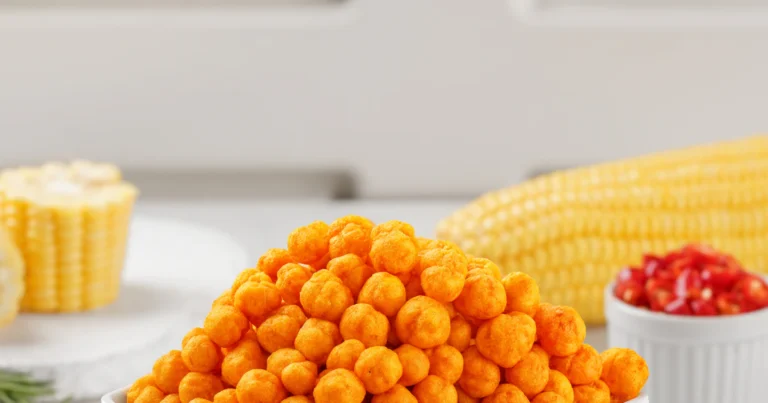
Cheese puffs are not recommended for dogs: they are salty, oily and often seasoned with onion or garlic powder. See what to do if your dog ate some.