Can Dogs Eat Oranges? Safe Amounts, Peel & Seeds (2026)
Last updated: November 25, 2026
Veterinary reviewed by Dr Zahid Iqbal, DVM, MRCVS and Dr Fatih Bozbay, Veterinarian.
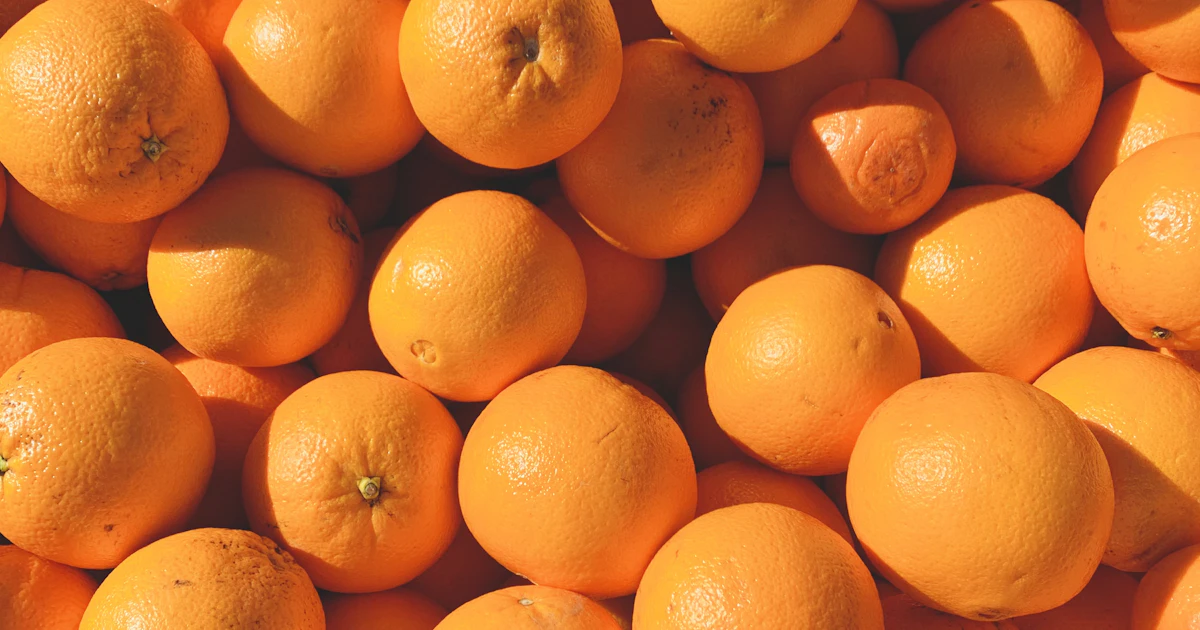
Photo by Jen Gunter on Unsplash
Orange segments are an easy snack to peel and share, and dogs often show interest in the smell. Dogs can eat a small amount of orange flesh as an occasional treat, as long as it is peeled and the white pith and every seed are removed.
Below you will find how much orange a dog can have, what to do about the peel, pith, seeds and juice, and how other citrus fruits compare.
Quick answer: Yes, dogs can eat a small amount of orange flesh as an occasional treat. Peel it, remove the white pith and every seed, and cut it into small pieces. Oranges are sugary and acidic, so too much can cause diarrhea or gas, and dogs with diabetes or weight problems should skip them.
On this page
- Are oranges safe for dogs?
- How much orange can a dog have?
- Peel, pith, seeds and juice
- Other citrus fruits
- How to serve oranges
- FAQ
Are oranges safe for dogs?
Yes, in small amounts. The American Kennel Club and PetMD both say peeled orange flesh is fine as an occasional treat. Oranges give some vitamin C, potassium and fiber, but healthy dogs make their own vitamin C and do not need extra. The fruit is also about 9% sugar and quite acidic, which is why too much can upset a dog’s stomach. Many dogs also dislike the tart taste and strong citrus smell.
Skip oranges if your dog has diabetes, is overweight, or has had pancreatitis, unless your vet approves.
How much orange can a dog have?
The AKC says one or two small segments a day is typically enough, depending on your dog’s size. Treats should stay within about 10% of daily calories. Orange flesh is roughly 47 kcal per 100 g, and a segment weighs about 10 to 15 g, so calories are rarely the limit. Sugar and acidity are. The table gives the calorie ceiling and a cautious number of segments. The segment counts are my own conservative estimates, based on the AKC’s guidance, not a vet standard.
Offer oranges only once or twice a week, not daily, and treat the ceiling as a limit you will never reach. Start with a small piece and watch for loose stool over the next day.
| Dog weight | Calorie ceiling (orange flesh) | Practical amount |
|---|---|---|
| 5 lb | about 44 g | ½ segment |
| 10 lb | about 74 g | 1 segment |
| 20 lb | about 124 g | 1 segment |
| 35 lb | about 189 g | 2 segments |
| 50 lb | about 247 g | 2 segments |
| 75 lb | about 335 g | 3 segments |
| 100 lb | about 416 g | 3 to 4 segments |
Peel, pith, seeds and juice
If your dog swallowed a lot of peel, a handful of seeds, or citrus essential oil, call your vet or Pet Poison Helpline (855-764-7661) or ASPCA Animal Poison Control (888-426-4435). Signs of a blockage include repeated vomiting, a painful belly, no appetite and straining to poop.
| Part | Safe? | Notes |
|---|---|---|
| Peeled flesh (segments) | Yes, small amounts | The only part to feed |
| Peel (rind) | No | Hard to digest, can cause a blockage; the oils can irritate the stomach |
| White pith | Better to avoid | Bitter and harder to digest |
| Seeds | No | Choking hazard; seedless oranges can still hide a pip |
| Orange juice | Not recommended | High in sugar and very acidic |
| Orange leaves, stems and essential oils | No | Citrus plant parts and concentrated oils can irritate or poison dogs |
| Dried or candied orange | No | Concentrated sugar and sometimes added sweeteners |
Other citrus fruits
Tangerines, clementines and mandarins follow the same rules as oranges: peeled, seedless, and in small amounts. They are smaller and often seedless, which can make portions easier. Lemons and limes are very acidic and most dogs dislike them, so they are not good treats. Grapefruit is also best avoided. Do not confuse any of these with grapes, which are toxic.
How to serve oranges
- Wash the fruit, then peel it completely.
- Separate the segments and pull off the white pith.
- Check for and remove every seed.
- Cut the piece to a size that suits your dog.
- Serve a small amount, and freeze a few pieces on a tray for a cool summer treat if you like.
For other fruits with their own portion guides, see blueberries, strawberries, watermelon, bananas and pineapple.
Tangerines, clementines and mandarins
PetMD says tangerines, clementines and mandarins are safe in moderation, as long as the peel and seeds are removed. They are sweeter and easier to eat than oranges, but they carry the same sugar, so the portions are just as small. Hepper recommends no more than one or two segments, cut small for little dogs.
Orange peel, pith and seeds
The American Kennel Club says orange peel is not considered toxic, but it is tough and hard to digest and can raise the risk of a blockage. Chewy adds that oils in the peel, such as limonene and linalool, can be a problem in large amounts, and PetMD says the oils can upset the stomach. Always peel the fruit and take out the seeds before serving, and keep discarded peels out of reach of a dog that scavenges.
Other citrus: lemons, limes and grapefruit
PetMD says oranges, tangerines, clementines and mandarins do not carry the same risk as lemons, limes and grapefruit, which are too acidic for most dogs and can irritate the stomach. Hepper also warns that citrus essential oils are toxic to dogs, so keep diffusers and cleaning products with citrus oils away from them.
Orange juice and canned oranges
The AKC says to avoid orange juice for dogs, because it has much more concentrated sugar and none of the fiber of whole segments. Hepper advises against canned oranges, which usually come in syrup. Fresh, plain segments are the only form worth offering.
Which dogs should skip oranges
Oranges contain natural sugar and acid. PetMD says they are not a good choice for dogs with obesity or diabetes, and dogs with sensitive stomachs may get gas or diarrhea. Chewy points out that dogs make their own vitamin C, so there is no nutritional need to give oranges for it.
FAQ
Can dogs eat orange peel?
No. The peel is tough to digest, can cause a blockage, and contains oils that may irritate the stomach.
Can dogs have orange juice?
It is not toxic, but it is not recommended. Juice is concentrated sugar and acid with none of the fiber.
Can dogs eat mandarins or clementines?
Yes, peeled and in small amounts, the same way as oranges.
Can puppies eat oranges?
A tiny piece of peeled, seedless flesh is generally considered fine, but puppies have sensitive stomachs. Many vets suggest gentler treats.
Why does my dog like oranges?
Some dogs just enjoy the sweet, juicy texture, while many avoid the strong smell. Either way, keep portions small.
How many orange segments can a dog have?
The AKC suggests one or two small segments a day at most, depending on the dog’s size. PetMD’s chart runs from half a segment for the smallest dogs to about two and a half segments for very large dogs, once or twice a week.
Can oranges cause diarrhea in dogs?
Yes. The AKC says too much orange can cause digestive upset, including diarrhea, because of the sugar and acidity.
Why does my dog refuse oranges?
Many dogs dislike the tart taste or the strong citrus smell, and that is fine. Dogs do not need oranges.
Do dogs need vitamin C from oranges?
No. Chewy notes that dogs make vitamin C in the liver, so a complete dog food covers their needs.
Bottom line
A segment or two of peeled, seedless orange is an acceptable occasional treat for most healthy dogs. Keep the peel, pith, seeds and juice away from your dog, and call your vet if your dog swallows peel or seeds or gets an upset stomach that lasts.
I’m not a veterinarian. This article is general information and does not replace advice from your vet, especially for dogs with diabetes, pancreatitis or weight problems.
Related guides
- Can dogs eat avocado?
- Can dogs eat raspberries?
- Can dogs eat pears?
- Can dogs eat cherries?
- Can dogs eat tangerines and clementines?
- Can dogs eat grapefruit?
References
- American Kennel Club (AKC), can dogs eat oranges
- PetMD, can dogs eat oranges
- Chewy, can dogs eat oranges
- Webvet, can dogs eat oranges
- USDA FoodData Central, orange nutrient data
- American Kennel Club, Can Dogs Eat Oranges? (portions, peel, juice)
- PetMD, Can Dogs Eat Oranges? (serving chart, other citrus)
- Chewy, Can Dogs Eat Oranges? (peel oils, vitamin C)
- Hepper, Can Dogs Eat Clementines? (vet-reviewed)