Can Cats Eat Chicken? Cooked, Raw, Bones and Seasoning
Last updated: November 25, 2026. This guide is general information for healthy adult cats and is not a substitute for advice from your own vet. Sources are listed at the bottom.
Veterinary reviewed by Dr Zahid Iqbal, DVM, MRCVS and Dr Fatih Bozbay, Veterinarian.
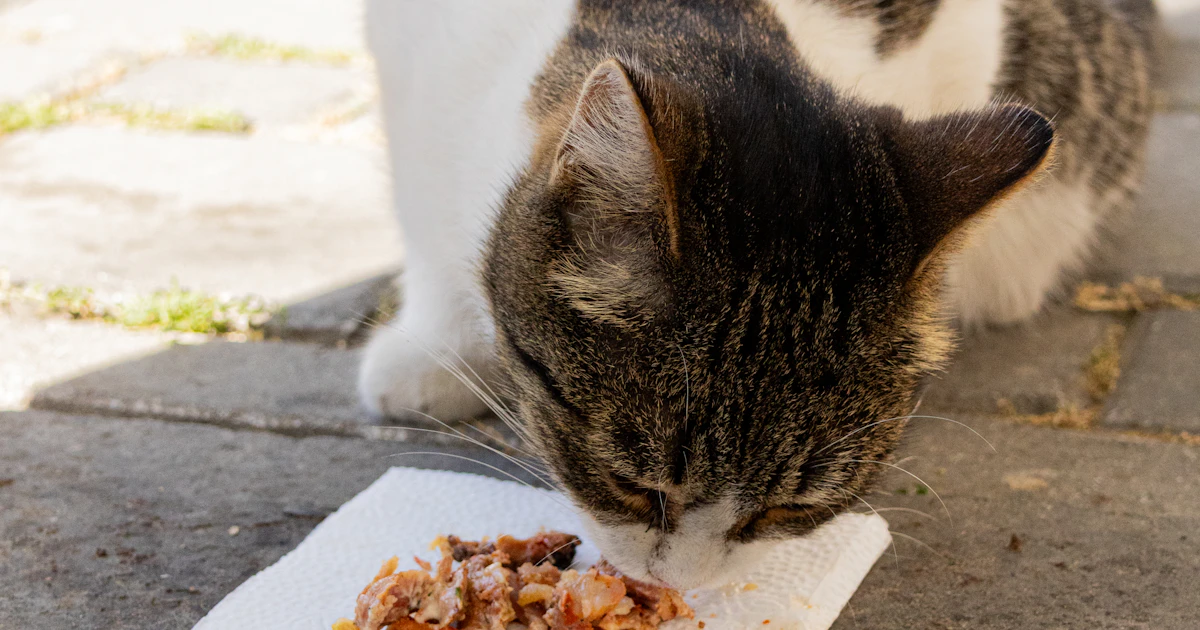
Photo by Stephanie Chriselle on Unsplash
Cats are meat eaters and plain chicken is easy to cook, so it is natural to wonder about sharing some. Plain, fully cooked, boneless chicken is safe in small amounts. Bones, skin, seasoning, breading and raw chicken should be avoided.
Below you will find whether chicken is good for cats, how much a cat can eat, what to avoid and what to think about with raw chicken.
Plain, fully cooked, boneless chicken is one of the better people foods for cats. Avoid bones, skin, seasoning, breading and raw chicken.
Is chicken good for cats?
Cats are obligate carnivores, so chicken is a much more natural fit than sugary or carb-heavy table scraps. Chewy notes that chicken is high in protein and low in carbohydrates, and that plain cooked chicken is fairly gentle on the stomach, which is why vets often suggest it as part of a temporary bland diet. It is still a treat or topper, not a complete diet: muscle meat alone does not give a cat everything it needs.
How much chicken can a cat eat?
Chewy says that for most healthy adult cats, a tablespoon or two of plain cooked chicken per day is plenty. Cats on a veterinary diet or with a history of digestive problems should get their vet’s advice first. Count the chicken as part of the daily calories so your cat does not gain weight. PetMD says chicken should not make up more than 10% of daily calories, and warns that overfeeding or feeding only chicken can cause nutritional deficiencies. Rover cites vets who allow up to 10 to 15% for treats overall. WebVet reminds us that muscle meat alone is not a complete diet. One veterinary site suggests up to about 2 tablespoons of plain cooked chicken a day for an adult cat and 2 teaspoons for a kitten under six months, while another says 2 to 3 small pieces a few times a week is enough. Treats should stay within 10% of daily calories, so the smaller figure is the safer starting point.
What to avoid
- Bones. Cooked chicken bones turn brittle and can splinter, which can injure the mouth and gut or cause choking.
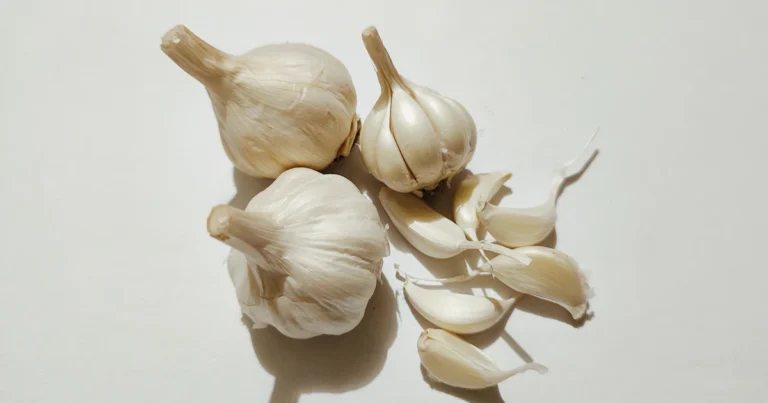
- Seasoning, garlic and onion. Seasoned leftovers and broth often contain salt and ingredients that are toxic to cats.
- Fried or breaded chicken. It is greasy and high in fat, and can cause vomiting or diarrhea.
- Skin and fat. They can upset the stomach.
- Raw or undercooked chicken. It can carry bacteria such as Salmonella and E. coli.
What about raw chicken?
Some cat owners feed raw diets, but raw poultry carries bacteria that can affect cats and people in the home, and homemade raw diets are often not nutritionally balanced. Talk to your vet before offering raw chicken.
How to prepare chicken for a cat
WebVet says to use plain, fully cooked meat with no bones, onion, garlic, sauce or breading, and to keep raw poultry, skin, drippings and seasoned leftovers separate. Chewy agrees that unseasoned, unbreaded cooked chicken is fine. Boil, bake or poach it, let it cool, and cut it into small pieces. Breast or thigh meat with the skin, bones and fat removed works well, and it should be cooked all the way through. A common safe-cooking benchmark is 165°F inside.
Chicken to avoid
- Cooked bones: Catbandit explains they turn brittle and can cut or puncture the gut.
- Fried or breaded chicken and nuggets: Chewy says fried chicken is greasy and can cause vomiting or diarrhea, and Petscare says to skip it.
- Skin and fatty parts: Petscare says fat can cause digestive upset or pancreatitis.
- Raw chicken: Kinship says it is safest to serve cooked because of pathogens such as Salmonella. See our raw chicken guide.
What about chicken broth?
Petscare says a little homemade, unsalted broth can help with hydration, while store-bought broth often has too much salt or harmful ingredients.
Chicken skin: do sources agree?
No. One source says cats should not have chicken skin because it is very fatty, at roughly 40 g of fat per 100 g, while another says small occasional amounts are fine if cooked plain. The cautious choice is to skip it, since high-fat food can upset the stomach and may contribute to pancreatitis.
Canned chicken and sodium
Canned chicken is usually safe but often salty and sometimes seasoned. If you use it in a pinch, choose a plain, unflavored one and rinse it well to remove extra sodium.
Frequently asked questions
Can cats eat chicken every day?
A small amount of plain cooked chicken can fit into a cat’s day, but it should not replace a complete cat food.
Can cats eat chicken bones?
Cooked bones are dangerous because they splinter. Call your vet if your cat swallowed a large amount of bones.
Can cats eat rotisserie chicken?
The meat itself is not the problem, but the seasoning and skin are. Plain meat from the inside, with no skin or seasoning, is safer.
Can kittens eat chicken?
Kittens need a complete kitten food. Ask your vet before adding chicken to their diet. Chefsresource says plain, lean cooked chicken is fine as a treat, with skinless breast preferred because fatty meat can cause pancreatitis.
Is chicken breast better than thigh?
Lean boneless skinless meat is the safest choice, per Petscare and Chewy.
Can cats eat chicken skin?
It is best to skip it. It is the fattiest part of the bird and is often seasoned when cooked for people.
Can cats eat canned chicken?
Plain canned chicken is generally safe in small amounts, but rinse it to cut the sodium and avoid flavored versions.
How long can cooked chicken sit out for my cat?
Not long. Sources suggest discarding uneaten cooked chicken after about an hour or two, and raw even sooner.
Related guides
References
- Chewy: Can Cats Eat Chicken?
- Catster: Can Cats Eat Chicken?
- Hepper: Can Cats Eat Chicken?
- Whisker: Can Cats Eat Raw Chicken?
- ManyPets: Can dogs or cats eat chicken?
- PetMD: Can Cats Eat Chicken?
- Chewy: Can Cats Eat Chicken?
- WebVet: Can Cats Eat Chicken?
- Petscare: Can cats eat chicken?
- Kinship: Can Cats Eat Raw Chicken?
- Rover: Can Cats Eat Chicken?
- PetMD: Can Cats Eat Chicken?
- Hepper: Can Cats Eat Chicken Skin?
- Catster: Can Cats Eat Chicken?