Can Cats Eat Dog Food? Taurine and Safety
Last updated: November 25, 2026. Sources are listed at the bottom.
Veterinary reviewed by Dr Zahid Iqbal, DVM, MRCVS and Dr Fatih Bozbay, Veterinarian.
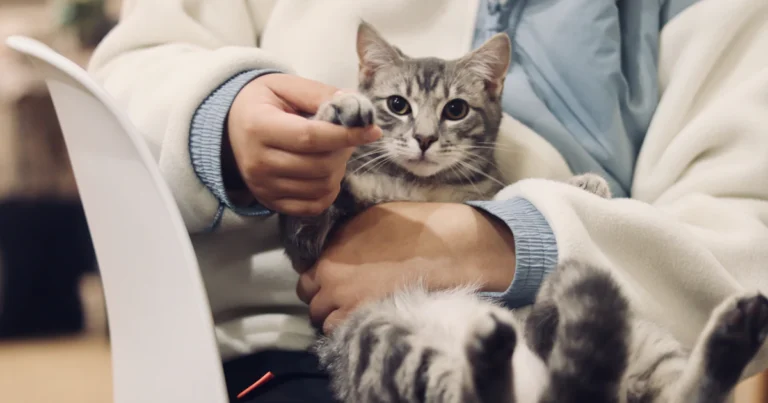
Photo by Krista Mangulsone on Unsplash
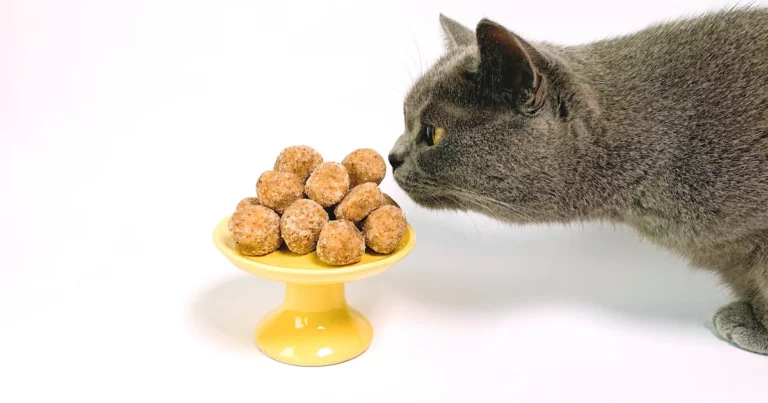
It is common for a cat to sneak kibble from the dog bowl. One mouthful is not a crisis.
The problem is routine feeding, because dog and cat foods are made for different bodies.
Short answer: a few bites are okay, regular feeding is not.
Dog food is not toxic to cats, but it lacks nutrients cats need, especially taurine. Never use it as a long-term substitute for cat food.
Why dog food is not enough for cats
Cats are obligate carnivores. PetsRadar explains that dogs can make their own taurine, but cats cannot, so dog food is not supplemented with it. Taurine deficiency in cats causes blindness and heart disease. Vets Now adds that cats also need other nutrients, such as arginine, that are added to cat food. Dog food is formulated for animals that can handle a broader diet, so it often contains less animal protein and fat and more carbohydrate than a cat needs.
Is it okay once in a while?
Vets Now says cats can eat a small amount of dog food as a one-off. PetsRadar says a small amount occasionally is fine as long as complete cat food makes up about 90% of their daily calories.
What if I run out of cat food?
Veterinarians quoted by Chewy say dog food is okay for a cat in an emergency situation. Buy cat food as soon as you can, and ask your vet about safe stopgap meals.
Signs to watch for
After a bite or two, watch for stomach upset. If your cat has been eating dog food regularly, ask your vet about the diet and taurine.
How to stop your cat eating dog food
- Feed the dog and cat in separate rooms or at different heights.
- Pick up the dog bowl after meals.
The two nutrients that matter most: taurine and arachidonic acid
Cats cannot make enough taurine themselves, while dogs can, so dog food is often not supplemented with it. Long-term shortage is linked to heart disease and eye problems. Arachidonic acid, a fatty acid cats also need from their food, is another gap. These deficiencies build slowly, which is why a few stolen bites differ from weeks of eating dog food.
What a one-off snack really means
Most sources agree that a mouthful from the dog’s bowl is not an emergency, and dog treats eaten now and then are unlikely to cause harm. A few stricter sources suggest even short periods may be risky, but the common view is that occasional bites are fine when the cat otherwise eats a complete diet.
Households with both a dog and a cat
Feed them in separate rooms or put the dog’s bowl up high, since cats jump better than most dogs. A microchip-activated cat feeder can stop the dog raiding the cat bowl too. If your cat keeps choosing dog food, a change in appetite or taste may be worth discussing, and strongly flavored wet food can help.
Other nutrients dog food falls short on
Taurine is the headline difference, but dog food also does not match a cat’s needs for protein, animal-based niacin, vitamin A or arachidonic acid. Calorie density differs too, because cat food is richer.
Kittens and life stages
Kittens and cats of different ages have different nutritional needs, so dog food is even less suitable for a growing kitten.
Keeping the bowls apart
In a multi-pet home, feed cats and dogs separately, for example in different rooms or at different times, so neither one gets used to the other’s food.
Protein: the sources use different numbers
PetMD says most dog foods have about 18 to 26 percent protein as fed, while it suggests at least 30 to 34 percent for cats, with canned cat food at 40 to 50 percent as an option. Catster says many vets recommend a diet of at least 45 to 50 percent protein for adult cats. The two ranges are far apart and neither source explains the basis, such as dry matter versus as fed, so treat the exact figure with caution. The shared point is that dog food is lower in protein than a cat needs.
Propylene glycol in dog foods and treats
Hepper says propylene glycol, used to keep semi-moist foods soft, is allowed in dog products but is banned in cat food, and that it is a reason not to hand a cat dog treats. Catster says semi-moist dog treats with higher moisture probably contain it, and names Pup-Peroni as one example, and that too much can be toxic to cats. Hepper adds that not every dog food contains it, so check the ingredient list.
Why some cats prefer the dog bowl
Hepper lists several reasons: the smell can be similar to cat food, convenience, boredom with their own food, and flat-faced breeds that struggle with small kibble and prefer the larger pieces in dog food. Catster says most cats find dog food unappealing and notes cats have about 470 taste buds against about 1,700 in dogs. If a cat keeps raiding the dog bowl, Hepper suggests it may be worth trying a different protein or brand of cat food.
Frequently asked questions
Is dog food poisonous to cats?
No, it is not toxic, but it does not meet a cat’s nutritional needs.
What happens if a cat eats dog food regularly?
It can lead to nutrient deficiencies, including taurine, which can cause heart and eye problems.
Can cats eat dog food in an emergency?
Yes, for a short time, according to veterinarians quoted by Chewy.
Can dogs eat cat food?
An occasional bite is not a disaster, but cat food is not meant for dogs long term.
Can cats eat dog treats?
Occasional dog treats are unlikely to hurt, but they are not designed for cats and should not replace cat treats.
Can kittens eat puppy food?
Puppy food still lacks the taurine and nutrient balance kittens need, so a complete kitten food is the right choice.
Can cats eat wet dog food?
Not as a regular diet. A small accidental taste will not harm a cat, but wet dog food lacks the nutrients a cat needs long term.
Can I feed my cat dog food if I run out of cat food?
Only as a short-term last resort, then get proper cat food as soon as you can.
PawFoodCheck is not a veterinary service. This article is general information and does not replace advice from your own veterinarian.
Are Beggin’ Strips okay for cats?
Catster says a small piece of a dog treat such as Beggin’ Strips is unlikely to cause significant harm, but there is no nutritional benefit and cats cannot be maintained on dog treats. It also mentions the preservative BHA in that product, which it describes as reasonably anticipated to be a human carcinogen based on animal studies.
Do cats need niacin from food?
Catster says yes. Dogs can convert the amino acid tryptophan into niacin, but cats cannot, so cats must get niacin from their diet.
Is dog food lower in taurine?
Hepper says dog foods may list some taurine, but the levels are not nearly high enough for cats. PetMD says all commercial cat food has taurine added while it is rarely included in dog food. The sources differ slightly, and both agree it is not enough for a cat.
Related guides
References
- Vets Now: Can cats eat dog food?
- Chewy: Can Cats Eat Dog Food?
- PetMD: Can cats eat dog food
- PetMD: Can Cats Eat Dog Food?
- Hepper: Cat food vs dog food
- Purina NZ: Can cats eat dog food?
- Catster: Can Cats Eat Dog Food?
- Hepper: Cat Food vs. Dog Food
- Hepper: How to Stop a Cat From Eating Dog Food
- Catster: Can Cats Eat Dog Treats?
- Catster: Can Cats Eat Beggin’ Strips?