Can Dogs Eat Cheese? Safe Types, Exact Portions & What to Avoid
Last updated: November 25, 2026 · Sources are listed at the bottom. How we research
Veterinary reviewed by Dr Zahid Iqbal, DVM, MRCVS and Dr Fatih Bozbay, Veterinarian.
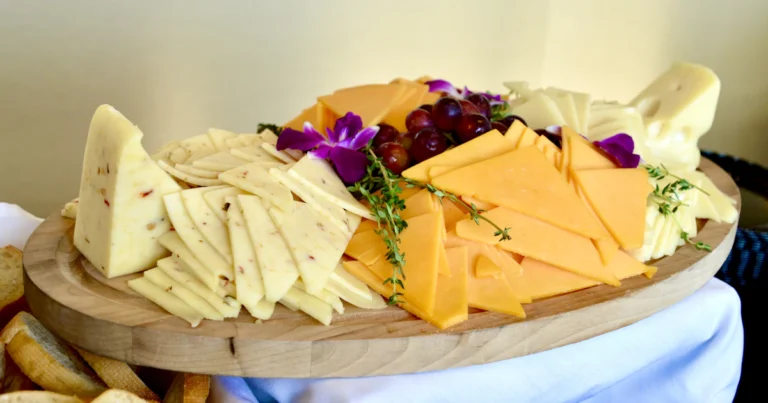
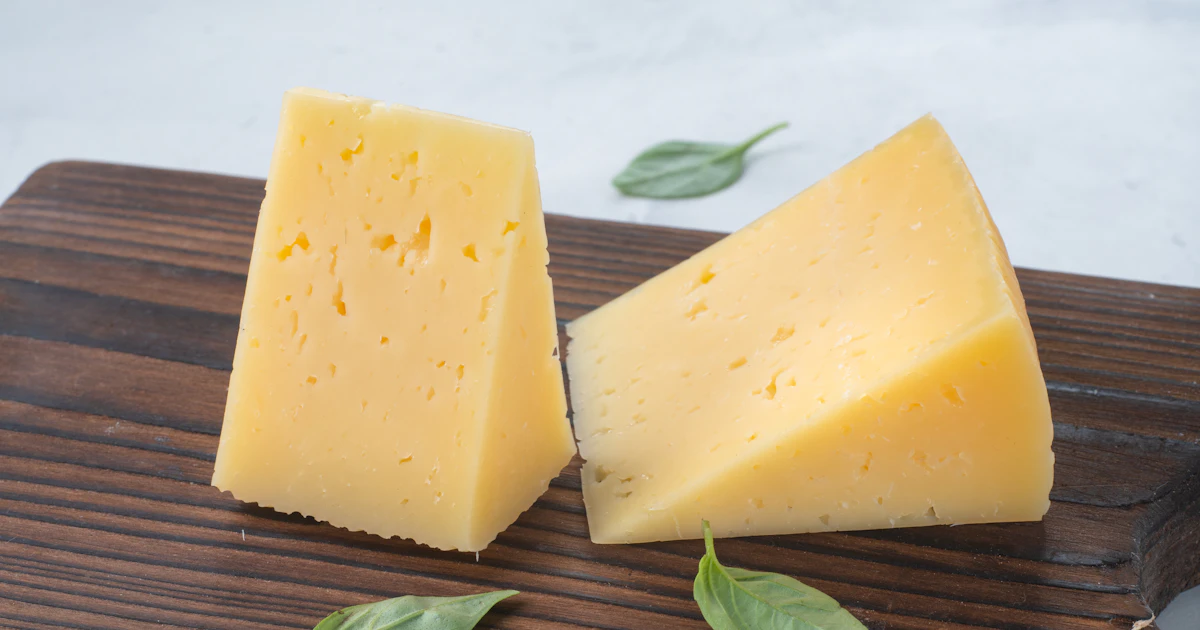
Photo by David Foodphototasty on Unsplash
Cheese is a favorite treat in many homes, and dogs rarely say no to a piece. Most dogs can eat small amounts of plain cheese as an occasional treat, but the type of cheese matters.
This guide explains which cheeses are the better choices, how much is reasonable and when to skip cheese entirely.
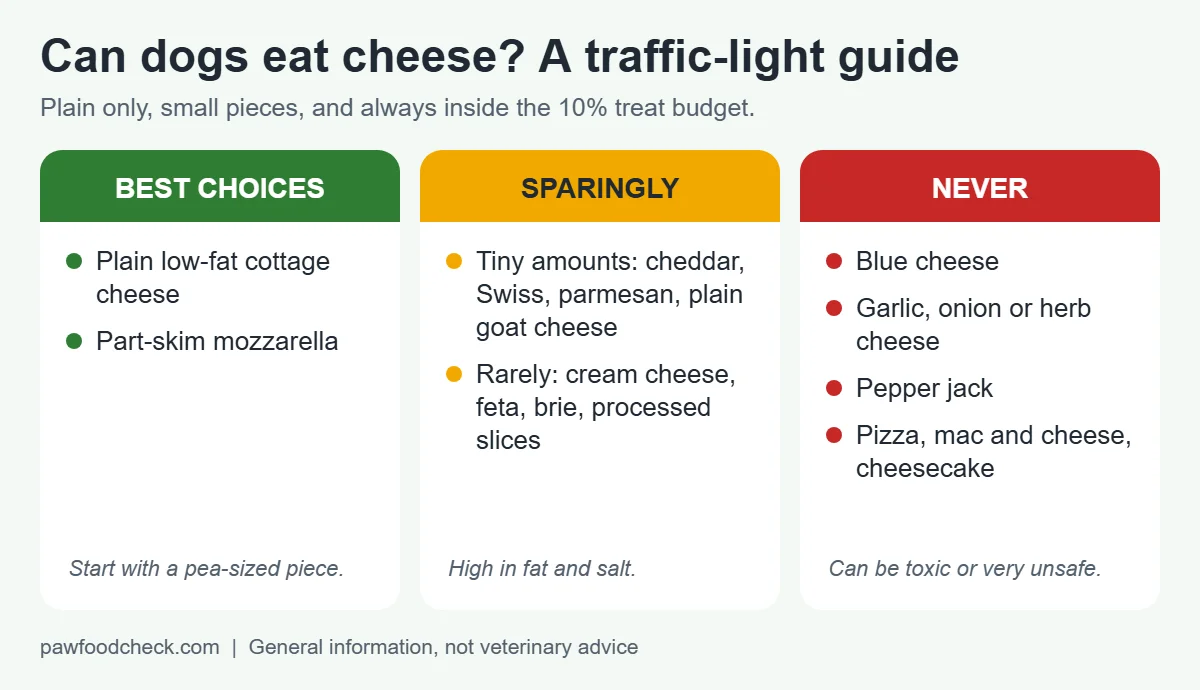
Quick answer: Yes, most dogs can eat small amounts of plain cheese as an occasional treat. Choose low-fat, plain types such as cottage cheese or part-skim mozzarella, keep all treats under 10% of your dog’s daily calories, and never give blue cheese or any cheese with garlic, onion, chives or herbs. Skip cheese if your dog has had pancreatitis, is overweight, or reacts to dairy.
- Best choices: plain low-fat cottage cheese, part-skim mozzarella
- Tiny amounts only: cheddar, Swiss, grated parmesan, plain goat cheese
- Rarely: cream cheese, feta, brie, processed slices
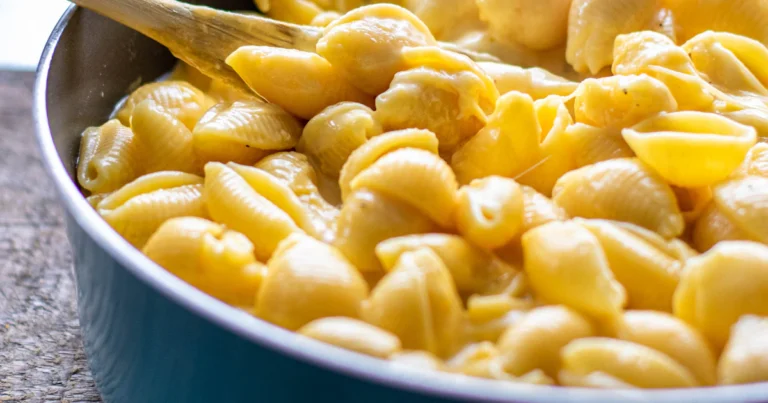
- Never: blue cheese, flavored or herb cheese, pepper jack, and cheese dishes such as pizza, mac and cheese or cheesecake
Jump to: Cheese-by-cheese guide · How much · Risks · My dog ate too much · FAQ
Is cheese safe for dogs?
Plain cheese is not poisonous to dogs, so the question is how much and which kind. Cheese packs a lot of fat and salt into a small bite: cheddar has about 403 kcal per 100 g (roughly 114 kcal per ounce), around five times the 81 kcal of low-fat cottage cheese. Two problems follow: an upset stomach from lactose, and too much fat, which leads to weight gain and, in dogs prone to it, pancreatitis.
On lactose: the enzyme that digests milk sugar tends to decline as dogs get older, so some dogs get gas, loose stools or vomiting after dairy. Cheese has far less lactose than milk, and aged hard cheeses have less than soft fresh ones, so many dogs cope with a small piece. Every dog is different, so the first time, offer a pea-sized piece and watch your dog for a day.
Cheese-by-cheese guide
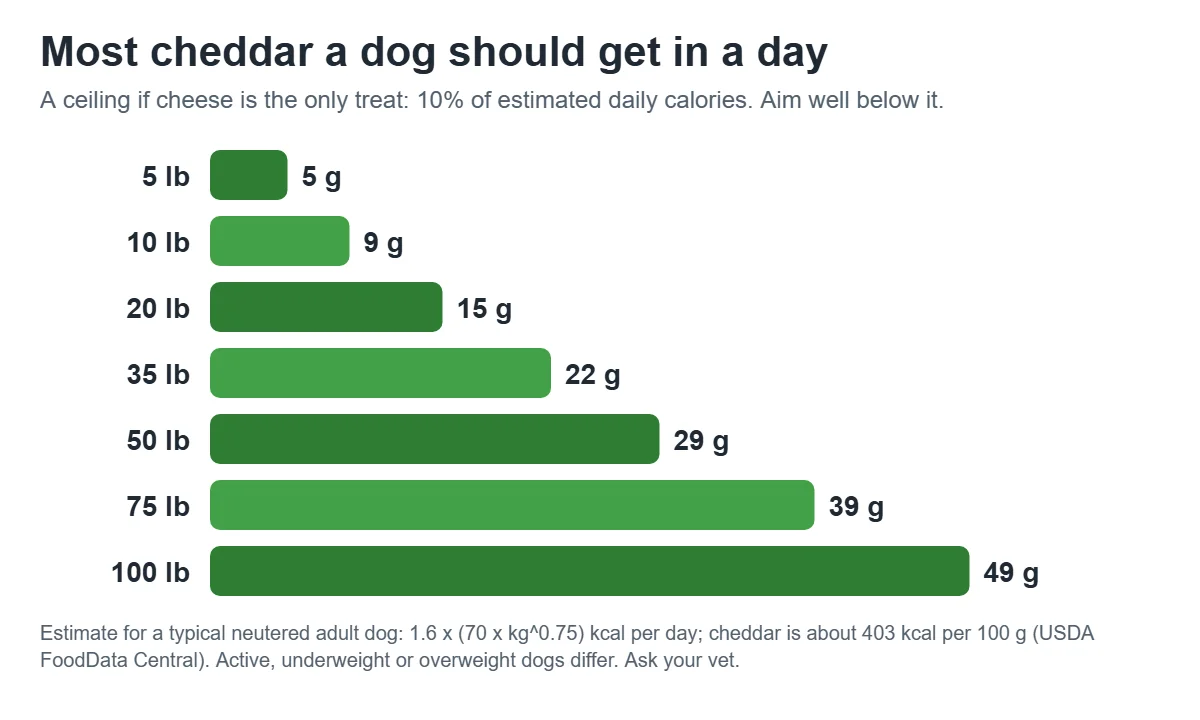
Read this as a ceiling, not a target. It is the most that fits in a day if cheese is the only treat. Biscuits, chews and training treats use the same budget. Most vet guides suggest much smaller servings, such as one to eight quarter-inch cubes a few times a week depending on size, and that is a sensible place to stay. Active, underweight or overweight dogs need different numbers, and dogs with health conditions may need none, so ask your vet.
| Cheese | Verdict | What to know |
|---|---|---|
| Cottage cheese (plain, low-fat) | Best choice | Lowest fat of the common cheeses (about 2.3 g fat per 100 g at 2% milkfat). Pick plain, ideally lower sodium, with no chives or fruit. Still contains lactose, so start small. |
| Mozzarella (part-skim) | Best choice | Lower in fat than many aged cheeses, but still salty (about 298 kcal per 100 g for low-moisture part-skim). Skip fried mozzarella sticks. |
| String cheese | Tiny amounts | Usually mozzarella, but stringy pieces can be a choking risk for small dogs and puppies. Tear into small bits. |
| Cheddar (plain) | Tiny amounts | Aged, so low in lactose, but about 403 kcal per 100 g and high in fat and salt. Fine as a training reward in tiny cubes. |
| Swiss (plain) | Tiny amounts | Generally lower in sodium than cheddar, but still fat-dense. |
| Parmesan | Tiny amounts | Very salty, so a light sprinkle at most. Skip the hard rind, which is a choking and tooth hazard. |
| Goat cheese (plain) | Tiny amounts | Plain only. It still contains lactose and fat. Herb or garlic versions are a no. |
| Gouda, provolone, colby jack, muenster, havarti, monterey jack | Tiny amounts | Same story as cheddar: plain only, small pieces, count the calories. |
| Cream cheese (plain) | Rarely | Very high in fat (about 350 kcal per 100 g). Chive, onion and garlic flavors are a no. Bagels are not a dog snack. |
| Feta | Rarely | Brined, so very salty. |
| Brie and camembert | Rarely | Rich and fatty. Skip the rind. |
| American and processed slices | Rarely | Salty and heavily processed. One nibble will not hurt, but it is a poor routine treat. |
| Pepper jack | Never | Spicy, and often seasoned with jalapeno, garlic or onion. |
| Blue cheese (Stilton, Roquefort, Gorgonzola, Danish blue) | Never | Made with a mould that produces roquefortine C, which can cause vomiting, diarrhea, tremors, fever and seizures in dogs. |
| Flavored cheese, spreads and dips | Never | Garlic, onion and chives are toxic to dogs. Always read the label. |
| Cheese pizza, mac and cheese, grilled cheese, cheese puffs, nacho cheese, cheesecake | Never | A mix of fat, salt, grains and seasonings. Sugar-free desserts can contain xylitol, which is highly toxic to dogs. |
How much cheese can a dog eat?
The common vet rule is that all treats together, cheese included, should stay under 10% of your dog’s daily calories. We turned that rule into a ceiling by dog weight. We estimated a typical neutered adult dog’s daily need as 1.6 × resting energy requirement (70 × body weight in kg to the power 0.75), took 10% of it, and divided by the calories in each cheese.
| Dog weight | Daily calories (est.) | Treat budget (10%) | Max cheddar | Max part-skim mozzarella | Max low-fat cottage cheese |
|---|---|---|---|---|---|
| 5 lb (2.3 kg) | ~207 | ~21 kcal | 5 g (about 2 half-inch cubes) | 6 g | 25 g (about 2 tbsp) |
| 10 lb (4.5 kg) | ~348 | ~35 kcal | 8 g (about 4 cubes) | 11 g | 43 g (about 3 tbsp) |
| 20 lb (9.1 kg) | ~585 | ~59 kcal | 14 g (about 6 cubes) | 19 g | 71 g (about 5 tbsp) |
| 35 lb (15.9 kg) | ~891 | ~89 kcal | 22 g (about 10 cubes) | 29 g | 109 g (about 8 tbsp) |
| 50 lb (22.7 kg) | ~1,164 | ~116 kcal | 28 g (about 12 cubes) | 38 g | 142 g (about 10 tbsp) |
| 75 lb (34 kg) | ~1,578 | ~158 kcal | 39 g (about 17 cubes) | 52 g | 192 g (about 14 tbsp) |
| 100 lb (45 kg) | ~1,958 | ~196 kcal | 48 g (about 21 cubes) | 65 g | 239 g (about 17 tbsp) |
Is cheese good for dogs?
Cheese contains protein, calcium, vitamin A and B vitamins, but a complete dog food already supplies what your dog needs. Think of cheese as a high-value reward, not a nutrition source. It works well for training and recall because most dogs find it irresistible.
Cheese for puppies, adult dogs and senior dogs
The answer changes a little with age and size. These are general guidelines, not a substitute for your vet’s advice for your own dog.
Can puppies eat cheese?
A weaned, healthy puppy can have a tiny piece of plain, mild cheese as a training reward, but it should never replace complete puppy food, which is balanced for growth. Puppies have sensitive stomachs, so start with one very small piece and watch for loose stools. Skip rich, salty or flavored cheese.
Can adult dogs eat cheese?
Most healthy adults tolerate a small amount of plain cheese now and then. Keep it an occasional treat, count it within the usual limit for treats (about 10% of daily calories), and choose lower-fat, lower-sodium options such as cottage cheese or mozzarella.
Can senior dogs eat cheese?
Older dogs tend to be less active and gain weight more easily, and conditions such as kidney disease, heart disease or pancreatitis become more common with age. If your senior dog has any of these, or is on a prescription diet, ask your vet before offering cheese. A healthy senior can usually have a tiny plain piece occasionally.
Can small dogs eat cheese?
Yes, in smaller pieces. A “small” piece for a Labrador is a large portion for a Chihuahua, so cut the piece to the size of your dog and see the portion guide above. Cheese is calorie-dense, so small dogs gain weight from it quickly.
Can diabetic dogs eat cheese?
Plain cheese is low in carbohydrate, but it is high in fat and calories, and diabetic dogs do best on a consistent diet. Ask your vet before adding any new treat, and count it within your dog’s daily calories.
Can dogs with pancreatitis eat cheese?
Generally no. Cheese is high in fat, and high-fat foods can trigger pancreatitis. Dogs with a history of pancreatitis are usually kept on a low-fat diet, so check with your vet first. Miniature Schnauzers are often mentioned as being more prone to the condition.
Can dogs with kidney disease eat cheese?
Ask your vet first. Cheese is salty and contains phosphorus, and diets for kidney disease often limit both. Do not add cheese to a prescription diet without your vet’s approval.
Which dogs should skip cheese?
Dogs with a history of pancreatitis, overweight dogs, dogs with kidney or heart disease, dogs on a low-fat or prescription diet, and dogs that are lactose intolerant or have a dairy allergy should generally avoid cheese. The risks section below covers why.
Risks, and which dogs should skip cheese
- Pancreatitis. A fatty snack can trigger it, and some breeds carry more risk, including Miniature Schnauzers, Yorkshire Terriers, Cocker Spaniels, Dachshunds and Poodles. Warning signs are repeated vomiting, belly pain or a hunched posture, tiredness, no appetite and diarrhea. Call your vet the same day.
- Overweight dogs. Cheese is calorie-dense and easy to overfeed.
- Dogs with kidney or heart disease. Salt can be a problem, so ask your vet first.
- Dairy allergy. This is different from lactose intolerance. Itchy skin, ear problems or stomach upset after dairy are reasons to avoid cheese completely.
- Dogs on a prescription or veterinary diet. Do not add treats unless your vet says it is fine.
- Puppies. Offer only tiny pieces, because small stomachs and small throats are easy to upset.
My dog ate too much cheese. What now?
Large amount of ordinary cheese. Expect possible vomiting or diarrhea. Give water, skip fatty foods, and watch your dog for the next day or two. Call your vet if vomiting repeats, if your dog seems to be in pain or very tired, refuses food, or has bloody stool. Small dogs and the breeds listed above deserve an earlier call. Do not try to make your dog vomit unless a vet tells you to.
Blue cheese, or cheese with garlic, onion or chives. Call your vet or a poison line straight away, without waiting for symptoms. In the US: ASPCA Animal Poison Control Center (888) 426-4435 or Pet Poison Helpline (855) 764-7661 (a consultation fee may apply). Have ready your dog’s weight, what was eaten, how much, when, and the ingredient list.
Go to an emergency vet if you see tremors, stumbling, a high temperature, seizures or collapse.
Cheese myths
- “Cheese causes cancer in dogs.” We found no veterinary source linking plain cheese to cancer, and vets and owners in public discussions reject this claim. The real risks are fat, salt and lactose.
- “All dogs are lactose intolerant, so no dairy at all.” Tolerance varies. Many dogs handle tiny amounts of low-lactose cheese.
- “Cheese is toxic.” Plain cheese is not. Blue cheese is the exception.
- “Hard cheese has no lactose.” It has very little, not none.
Using cheese for training or to hide pills
For training, use pea-sized pieces of low-fat mozzarella or cheddar and count them in the 10% budget. To hide a tablet, ask your vet or pharmacist first: calcium in dairy can reduce the absorption of some medicines, including certain antibiotics. Pill pockets or a small piece of plain cooked chicken are alternatives.
Safer treat alternatives
Plain cooked chicken, carrot sticks, cucumber slices, seedless apple slices or a commercial dog treat made for dogs are lower-risk options. If your dog loves the taste of cheese, a cheese-flavored dog treat gives the flavor with controlled fat and salt.
Why do dogs love cheese?
Most dogs are drawn to cheese by its strong smell and its fat and salt. It is also a high-value reward for training, which teaches dogs to expect it. That same appeal is why cheese is so often used to hide pills, and why a dog may beg for it every time the fridge opens.
Liking it does not make it a good food. Cheese is rich, and some dogs cannot digest lactose well. If you use it as a reward, keep the pieces tiny and count them as part of the day’s treats.
Frequently asked questions
Can dogs eat cheese every day?
It is not recommended. Daily cheese adds fat, salt and calories, which raises the risk of weight gain and pancreatitis. Keep it to a few times a week at most, inside the 10% treat budget.
What happens if a dog eats cheese every day?
Many dogs gain weight or get gas and loose stools, and dogs prone to pancreatitis face a higher risk. Cheese can also crowd out balanced food.
Can dogs eat cheese slices?
A nibble of a processed slice will not usually hurt, but these are salty and highly processed. Plain natural cheese in small pieces is a better choice.
What is the best cheese for dogs?
Plain low-fat cottage cheese or part-skim mozzarella, in small amounts.
Can dogs eat cheddar cheese?
Yes, plain cheddar in tiny cubes, now and then. It is high in fat and salt.
Can dogs eat blue cheese?
No. Blue cheese can contain roquefortine C, which is toxic to dogs. Call your vet if your dog ate some.
Can dogs eat mac and cheese or cheese pizza?
No. They combine fat, salt, grains and often onion or garlic.
Can dogs eat moldy cheese?
No. Some molds, especially on old cheese, can produce toxins that cause vomiting, tremors and seizures in dogs. Blue cheeses carry their own mold and are a particular concern. If your dog ate moldy cheese and is shaking, restless or vomiting, call a vet or a poison line right away.
Can dogs eat pimento cheese?
It is best to skip it. Pimento cheese is usually made with mayonnaise, salt and often onion or garlic powder, and onion and garlic are harmful to dogs. A lick is unlikely to cause trouble, but do not offer it on purpose.
Can dogs eat cheese curds?
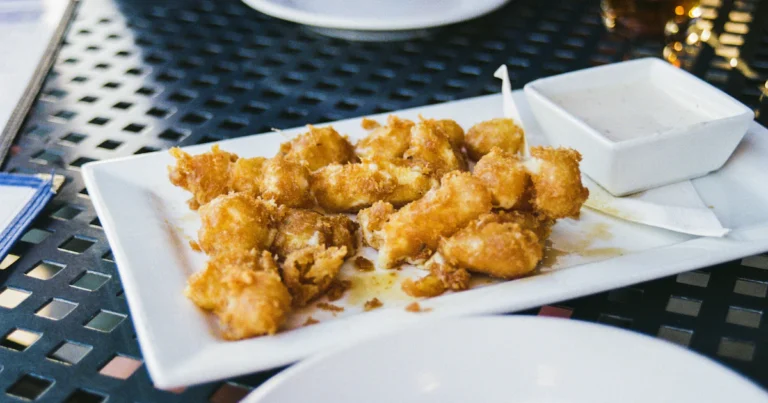
A small piece of plain, fresh curd is a similar risk to other mild cheeses, so keep it occasional. Curds are often salty, and flavored or fried curds add seasoning and grease, so avoid those.
The bottom line
A small piece of plain, low-fat cheese is a safe occasional treat for most healthy dogs. Stick to cottage cheese or part-skim mozzarella, keep treats under 10% of daily calories, avoid blue and flavored cheeses, and ask your vet if your dog has pancreatitis, weight or kidney problems.
This article is general information and does not replace advice from your own veterinarian. I am not a veterinarian. See our disclaimer.
Video: can dogs eat cheese?
Video by AnimalWised, shown as an extra viewpoint. It is not our own content, and advice for your own dog should come from your vet.
Guides to specific cheeses
Each cheese has its own risks. These are the guides for the types people ask about most.
Not sure which to pick? See the best cheese for dogs, ranked.
Generally okay in small amounts
- Can dogs eat mozzarella?
- Can dogs eat string cheese and cheese sticks?
- Can dogs eat cheddar?
- Can dogs eat cottage cheese?
- Can dogs eat cream cheese?
- Can dogs eat Swiss cheese?
- Can dogs eat provolone?
- Can dogs eat gouda?
- Can dogs eat Colby Jack and pepper jack?
- Can dogs eat parmesan?
- Can dogs eat muenster cheese? (and havarti)
Rich, salty or processed: use caution
- Can dogs eat sliced cheese?
- Can dogs eat feta?
- Can dogs eat brie?
- Can dogs eat goat cheese?
- Can dogs eat American cheese?
- Can dogs eat cheese curds, manchego and specialty cheeses?
Avoid
- Can dogs eat blue cheese? (mold toxin risk)
- Can dogs eat mac and cheese?
- Can dogs eat cheese pizza?
- Can dogs eat grilled cheese?
- Can dogs eat cheese puffs?
- Can dogs eat Cheez-Its?
- Can dogs eat Doritos?
- Can dogs eat pimento cheese, Cheese Whiz and cheese dips?
References
- AKC: Can Dogs Eat Cheese? (nutrients, pancreatitis risk, toxic add-ins)
- PetMD: Can Dogs Eat Cheese? (10% treat rule, cheese types, FAQ)
- Chewy: Can Dogs Eat Cheese? (blue cheese, poison helpline, bland-diet note)
- Blue Cross: Can dogs eat cheese? (lactase decline, dairy allergy, blue cheese signs)
- Pawlicy Advisor: Can Dogs Eat Cheese? (sodium and kidney concerns)
- Vet Times: Canine pancreatitis causes and AMC New York: Pancreatitis in Dogs (breed risk)
- NCATS: Roquefortine C (intoxication in dogs reported)
- USDA FoodData Central, FDC IDs 329370 (mozzarella, low-moisture part-skim) and 172182 (cottage cheese, lowfat 2%); cheddar and cream cheese values are standard USDA figures